
Vertical Lifts

MHT is a premier provider of vertical material lifts, also known as Vertical Reciprocating Conveyors (VRC), with over two-hundred vertical lift installations under our belt. From our experience in this field, we know the challenges of installing vertical lifts to transport materials between levels of a distribution or manufacturing facility. We provide solutions for all vertical lifts, both large and small.

Contact Us See All Equipment
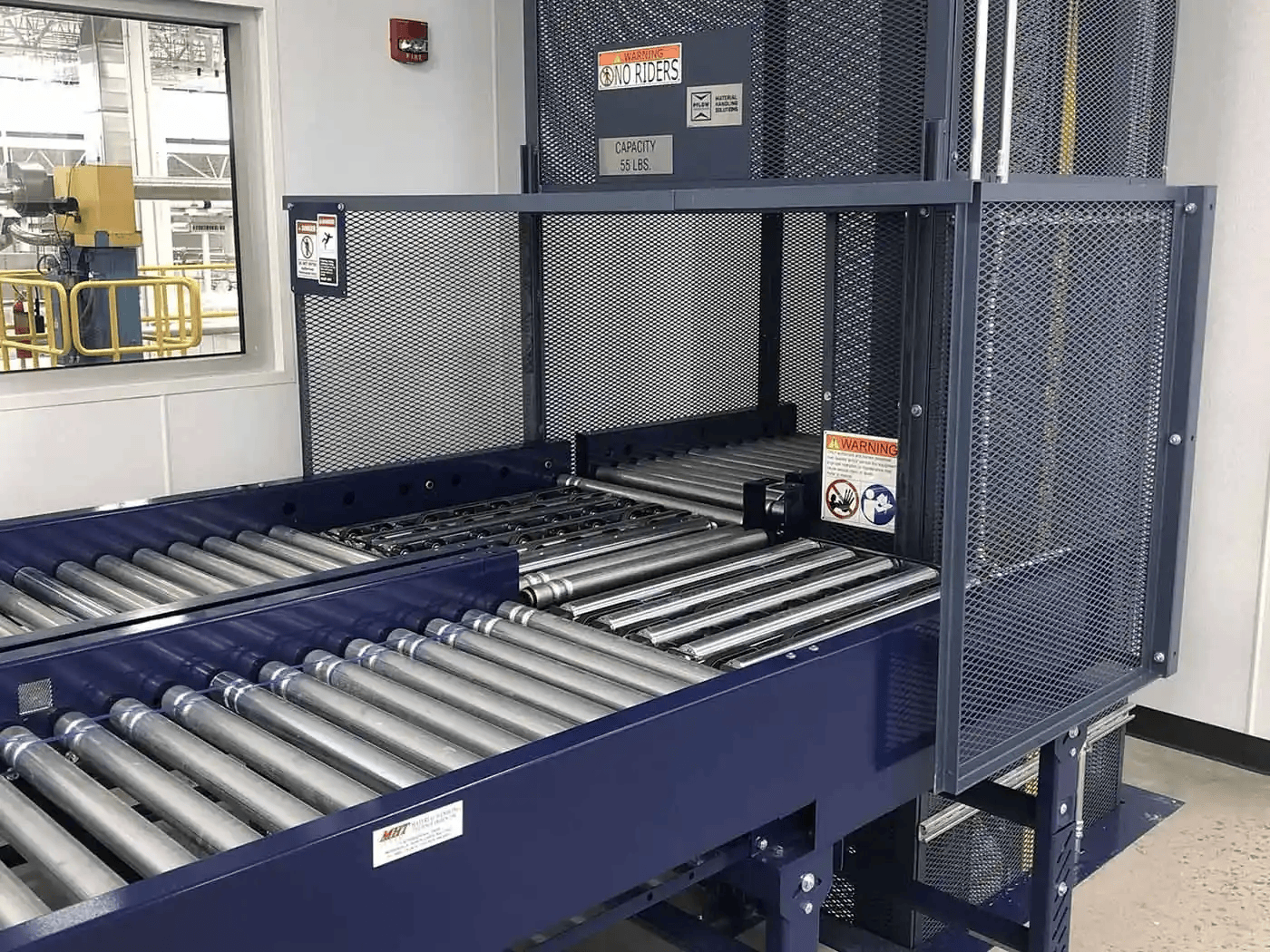
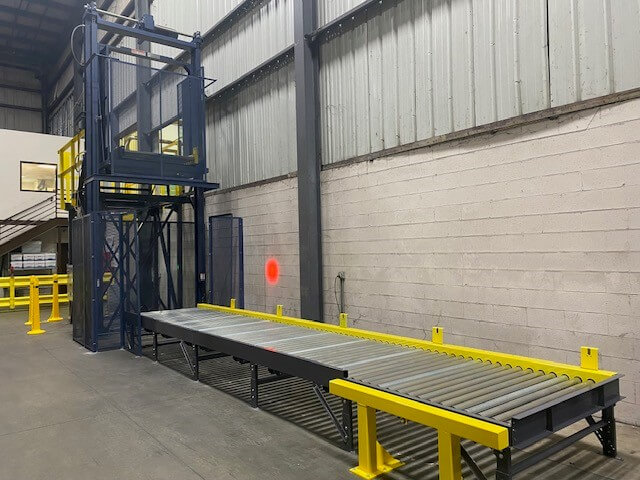
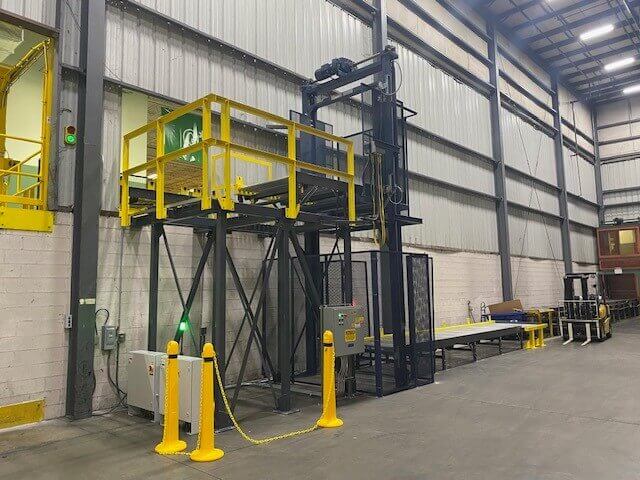
vertical lifts
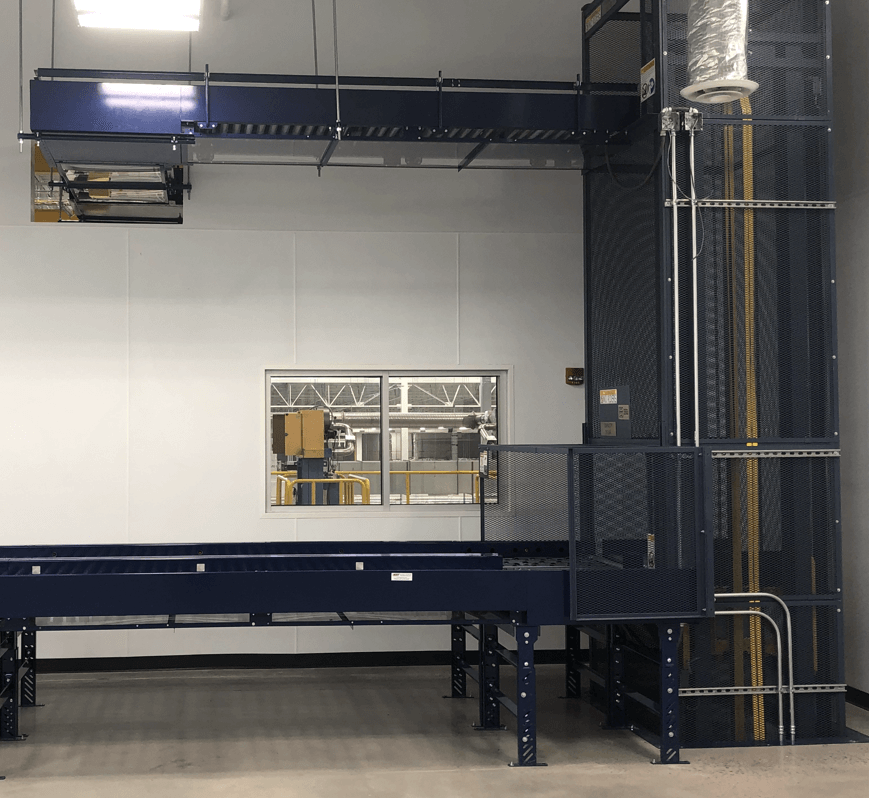
discharge view
vertical conveyor
vertical lift systems
Vertical Lift Products
Features and Benefits
Partners
  • Vertical Lifts
  • Vertical Reciprocating Conveyor (VRC)
  • Material Lifts
  • Pallet Lifts
  • Carton Lifts
  • Safety Gates
  • Enclosures
  • Safety Cams
  • Deck Locks
  • PE Stamped Drawings as Needed
  • Unlimited Weight Capacity
  • Vertical Travel Capability of 100 ft. or More

Vertical Lift FAQs

What is a Vertical Lift?

A vertical lift is a mechanical device used to move goods between different vertical levels. It operates by raising or lowering a platform along a fixed path and is commonly used in industrial, commercial, and transportation settings. Vertical lifts are designed to save space and improve efficiency in facilities where horizontal movement is limited.

Is a Vertical Reciprocating Conveyor an Elevator?

Technically, no—a VRC is not classified as an elevator. While it performs a similar function in transporting materials vertically, VRCs are governed by different safety codes and standards. They are specifically engineered for freight and not designed or permitted to carry people.

What is a Vertical Reciprocating Conveyor?

A Vertical Reciprocating Conveyor (VRC) is a type of material lift designed to move goods between different floors or levels. Unlike elevators, VRCs are intended strictly for cargo, not passengers. They use a carriage that travels up and down a vertical guide structure, powered by hydraulic, mechanical, or chain-drive systems.

What Are the Different Types of Vertical Conveyors?

There are several types of vertical conveyors, each suited for different applications:

  • 176(a): Vertical Reciprocating Conveyors (VRCs): Move goods between levels via a platform.
  • 176(b): Continuous Vertical Conveyors: Use a rotating belt or platform system for nonstop vertical transport.
  • 176(c): Incline Conveyors: Operate at an angle but are often grouped with vertical systems for moving goods between floors.
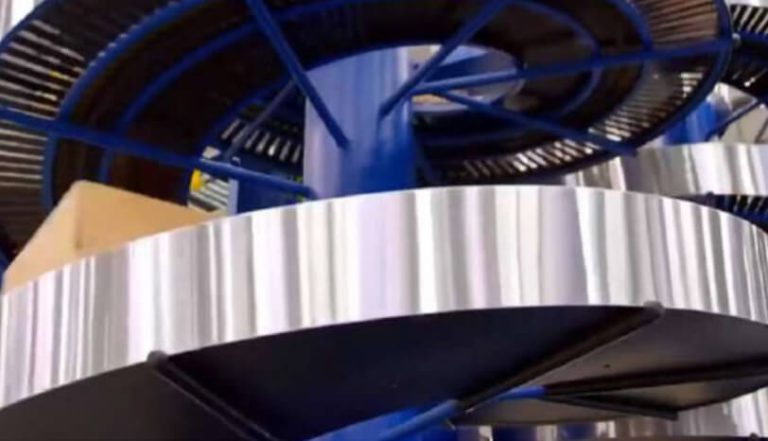
  • 176(d): Vertical Spiral Conveyors: Use a helical structure to move products upward or downward continuously in a compact footprint.
View More FAQs

Contact Us

"*" indicates required fields