
Conveyor Systems  

Contact The Material Handling Experts

"*" indicates required fields

conveyor menu image

Conveyor Systems for Material Handling & Automation

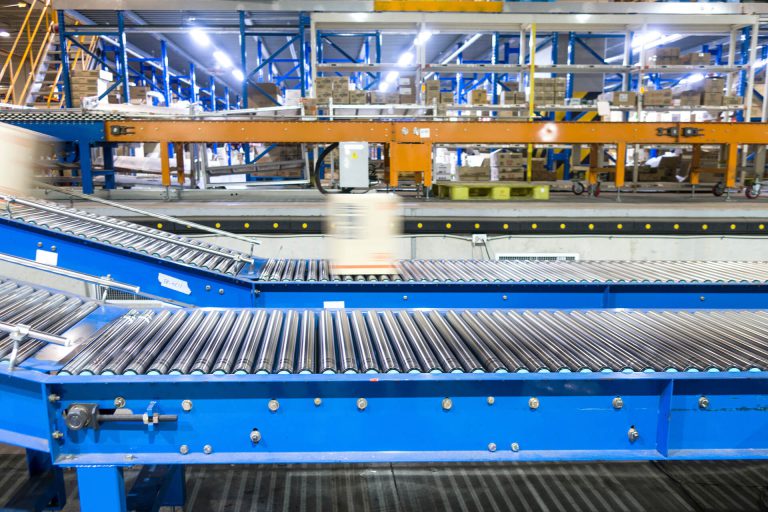
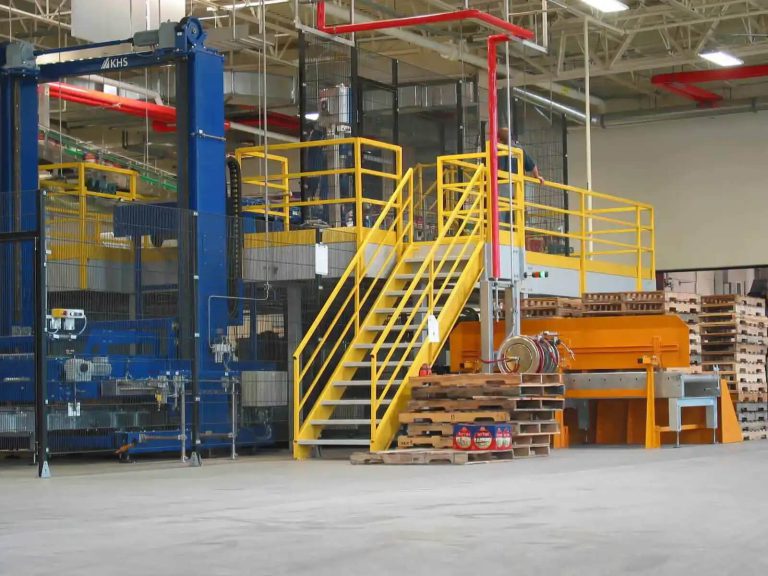
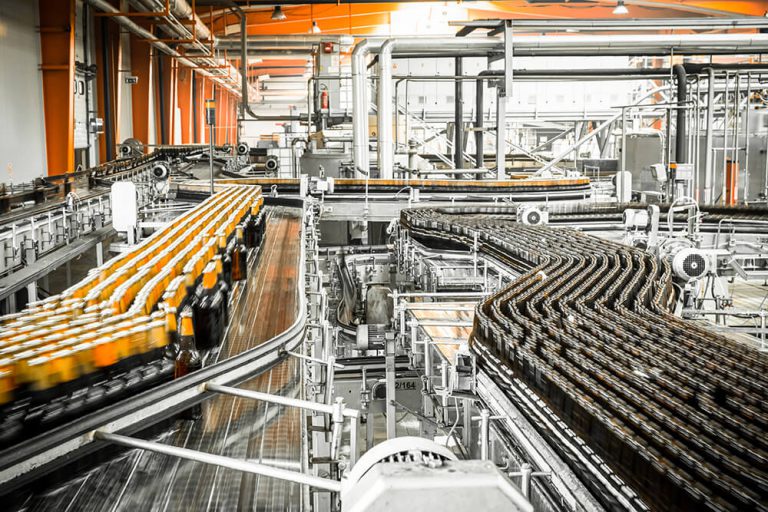
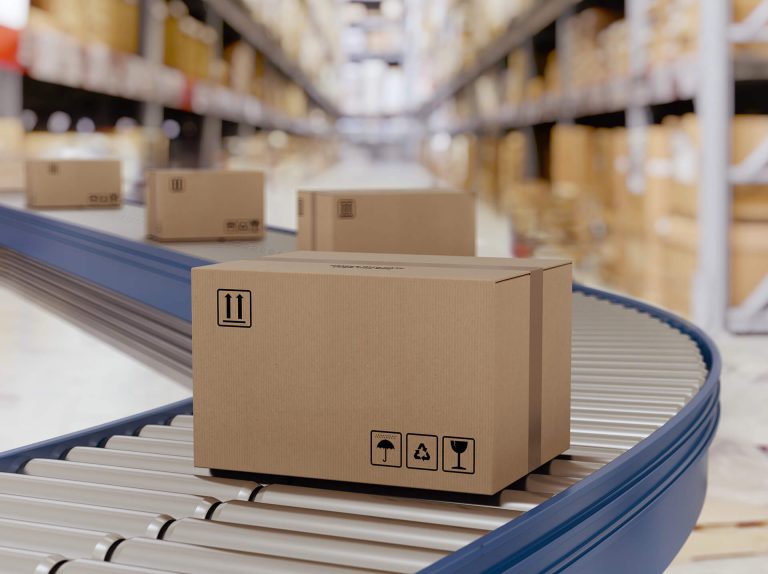
Conveyor systems play a critical role in modern material handling operations, enabling efficient movement of products, materials and goods across facilities. Whether used in manufacturing, warehousing or distribution, conveyor systems help streamline workflows, reduce manual labor and improve operational efficiency.

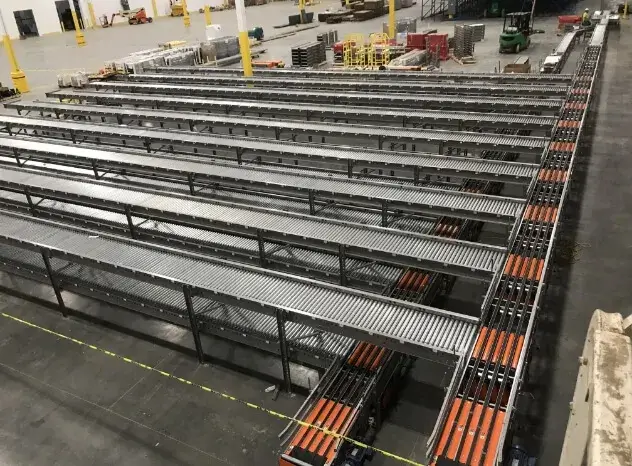
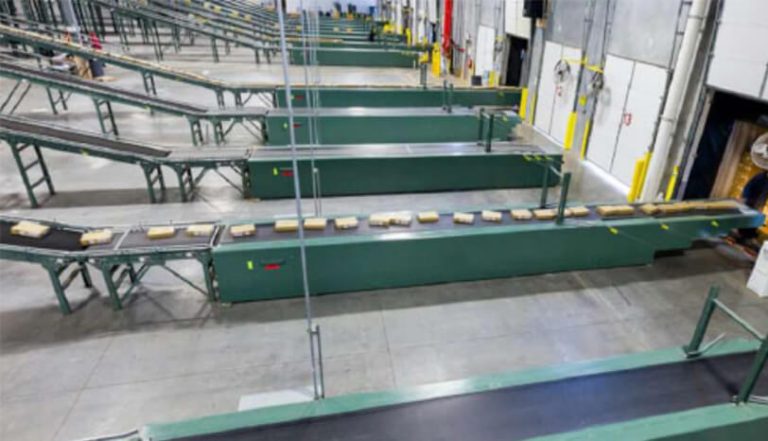
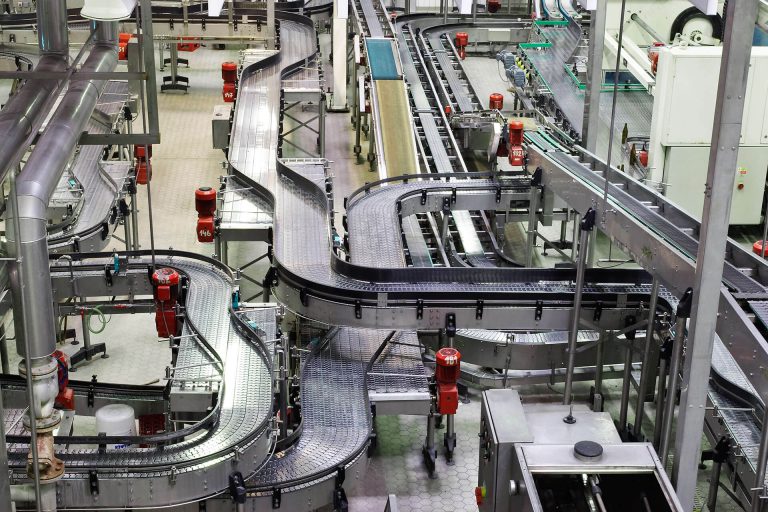
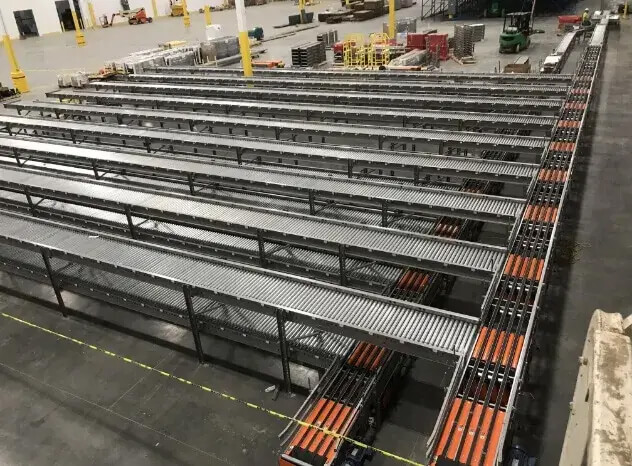
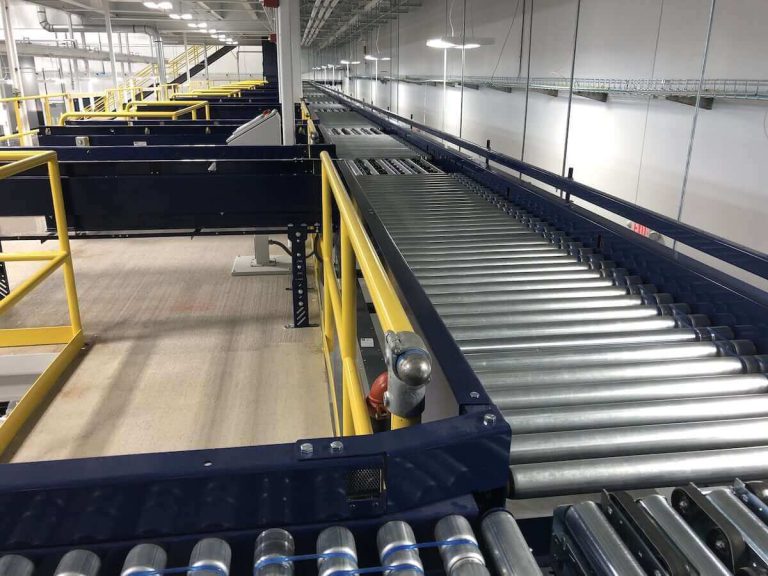
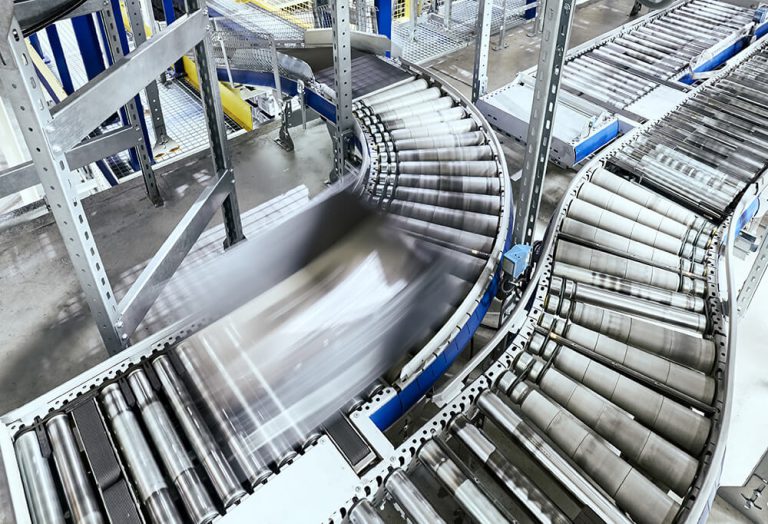
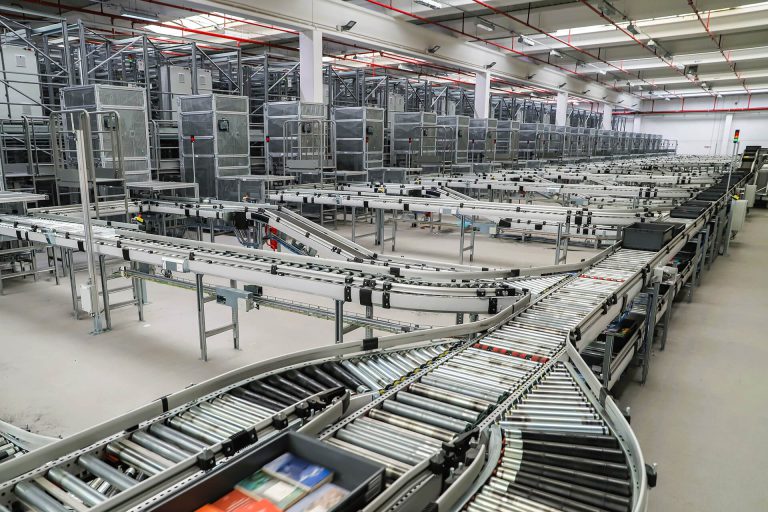
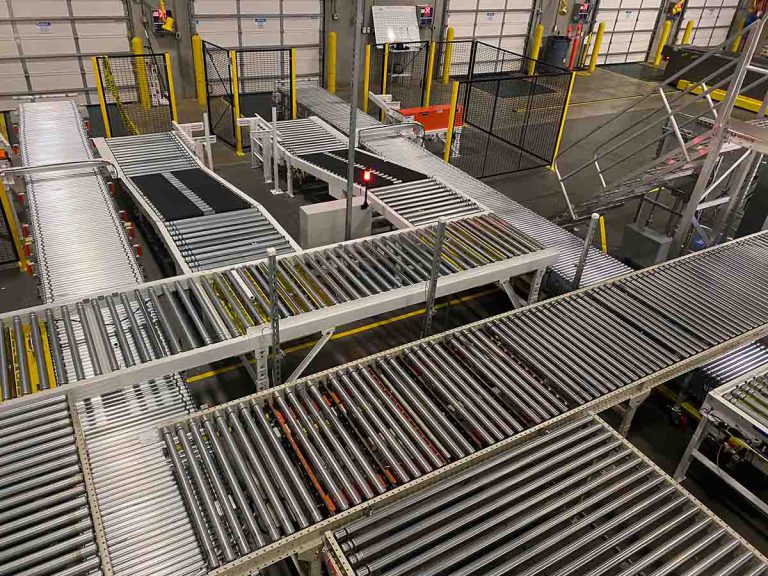
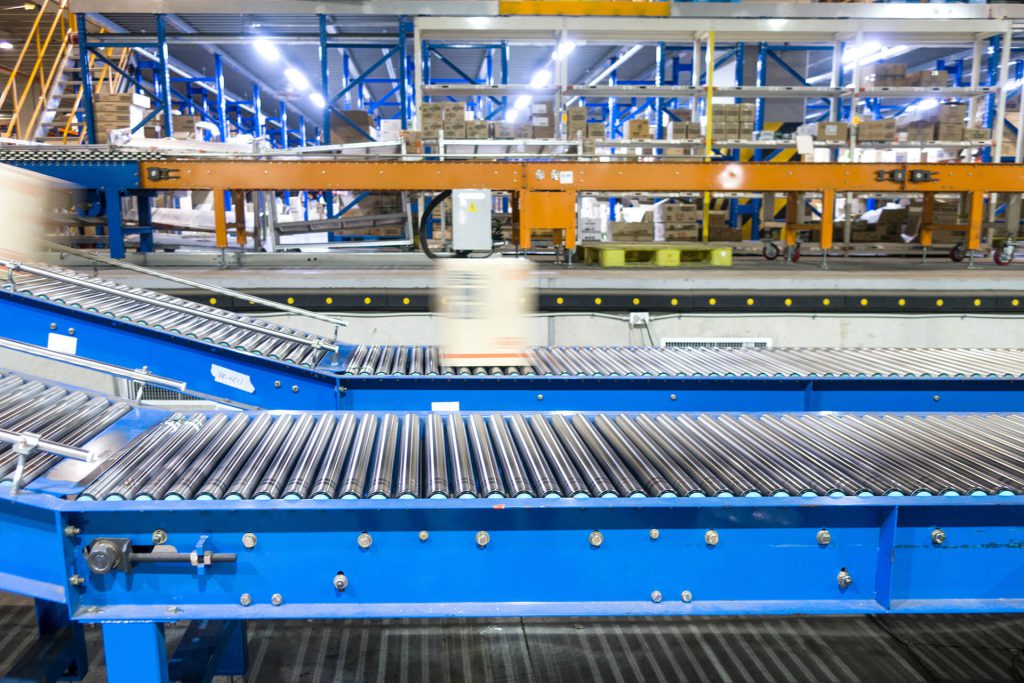
At MHT, we design and integrate a wide range of conveyor systems, including roller conveyor systems, powered conveyors, belt-driven conveyors and automated sortation systems tailored to your operation.

Types of Conveyor Systems We Offer

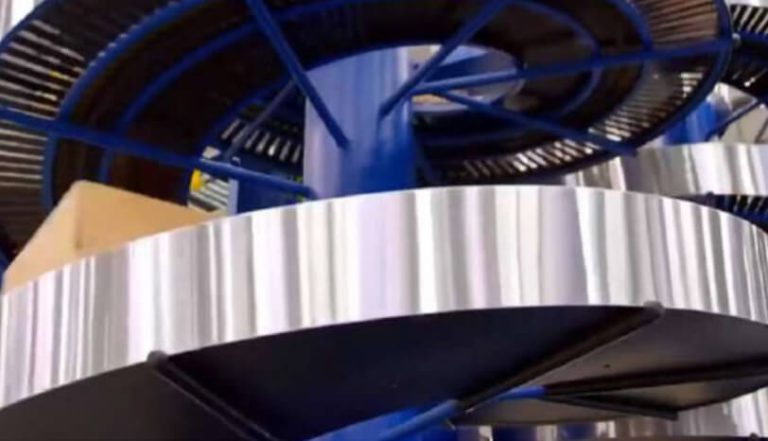
We provide a full range of conveyor systems designed to support different material handling needs and operational environments.

Why Choose MHT for Conveyor Systems

With decades of experience in material handling and system integration, MHT delivers customized conveyor systems designed to improve efficiency, scalability and long-term performance. Our team works closely with clients to design solutions tailored to their facility, operational goals and growth plans.

We support our clients with:

  • Custom conveyor system design tailored to your operation
  • Full system integration across warehouse and manufacturing environments
  • Scalable solutions that grow with your business
  • Installation and ongoing support for long-term reliability
  • Expertise across multiple conveyor types, including roller conveyor systems, powered conveyors and automated material handling solutions

Contact Us

Our Partners in 
Proven Excellence

ambaflex
intralox
mhs logo
omni metalcraft logo
richard wilcox conveyor
roach conveyors

Conveyor Belt FAQs

What is a Conveyor System?

A conveyor system is a mechanical handling solution designed to transport materials, products or goods from one location to another. Conveyor systems are widely used in manufacturing, warehousing and distribution to improve efficiency and reduce manual labor.

What Are the Different Types of Conveyors?

Common types of conveyor systems include belt conveyors, roller conveyor systems, gravity conveyors, powered conveyors, motor-driven roller (MDR) conveyors, chain conveyors and sortation systems. Each type is designed for specific material handling applications.

What are powered conveyors?

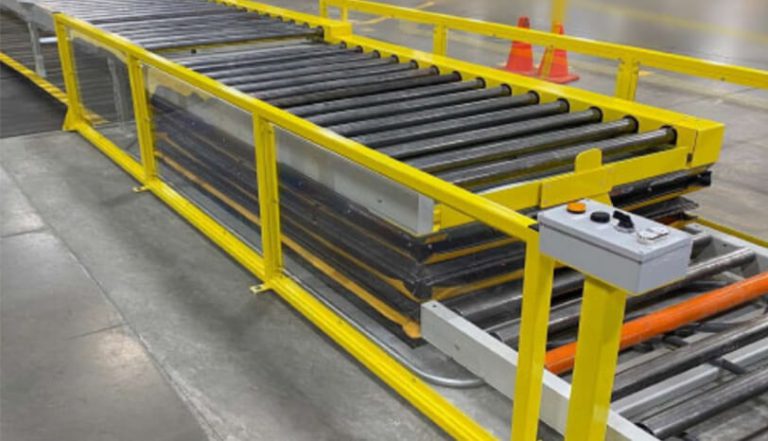
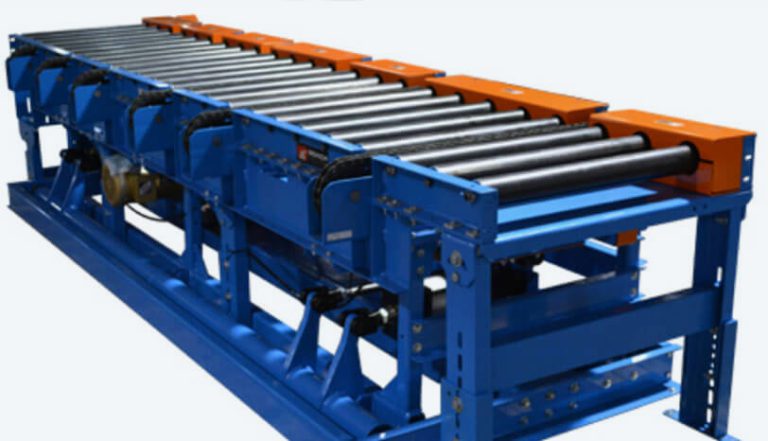
Powered conveyors use motors to move products automatically through a system. These conveyor systems are commonly used in high-volume operations where consistent movement and automation are required.

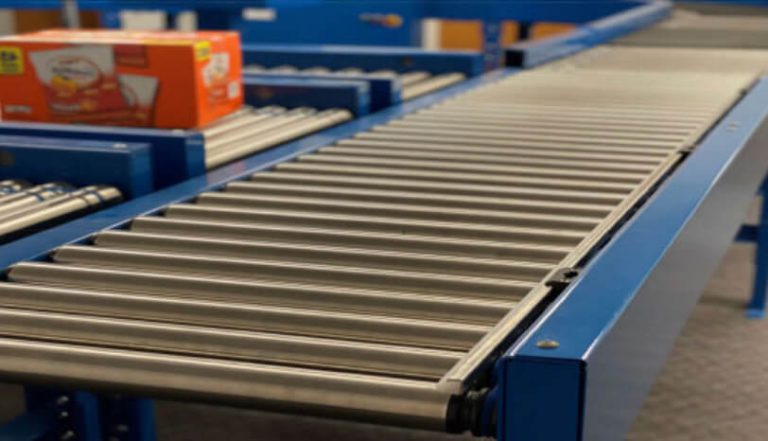
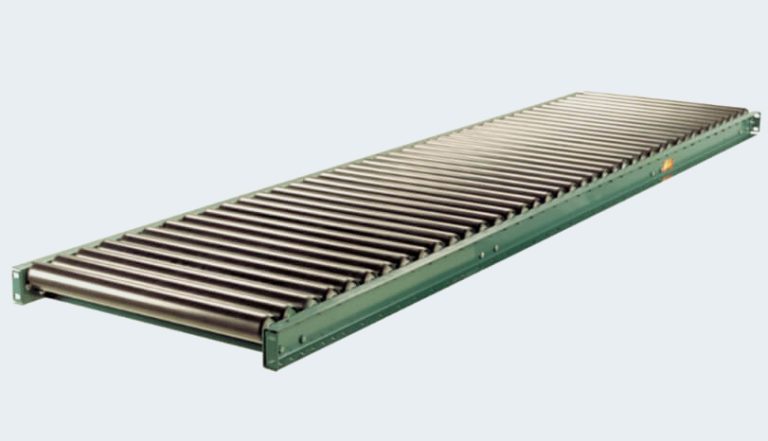
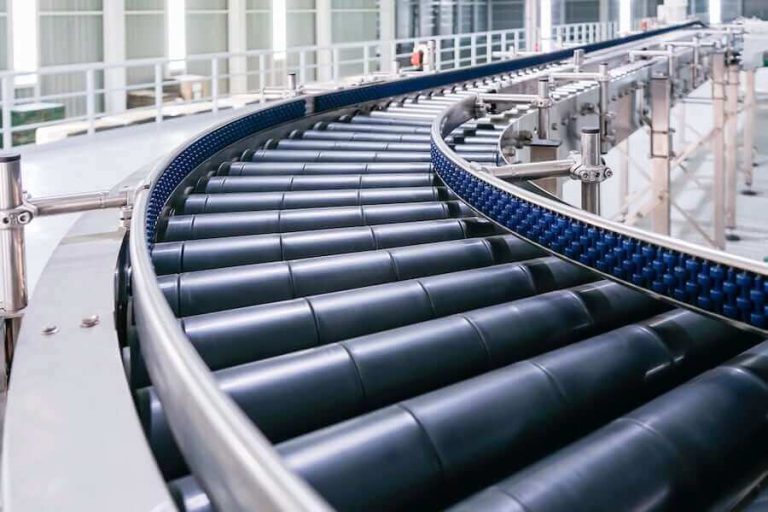
What is a roller conveyor system?

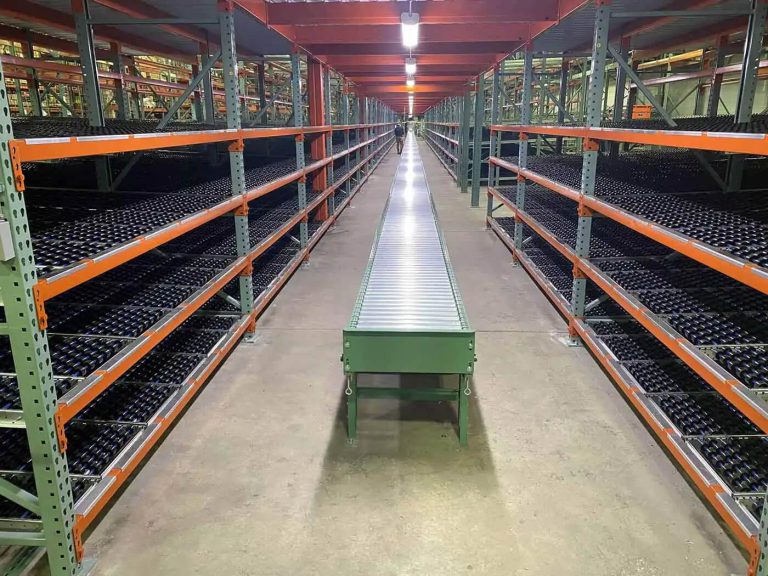
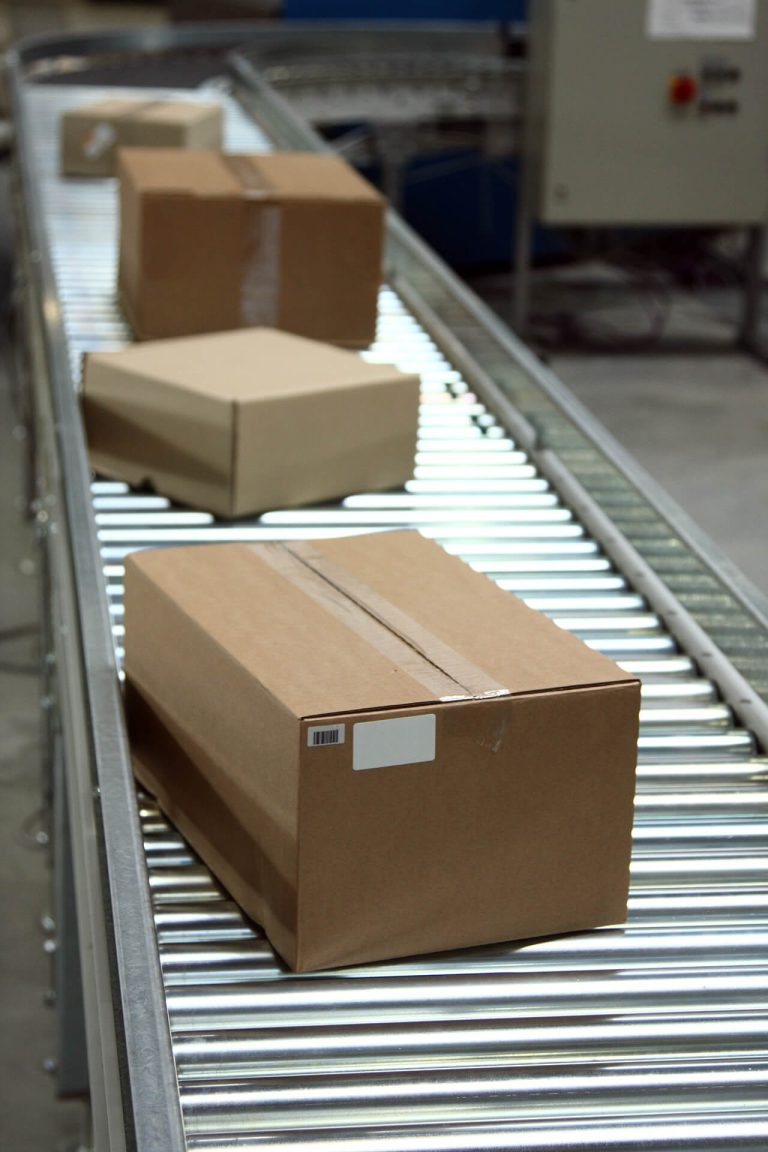
A roller conveyor system uses a series of rollers to transport products such as boxes, cartons or pallets. These systems can be gravity-driven or powered depending on the application.

Where Are Conveyor Systems Used?

Conveyor systems are used in a wide range of industries, including warehousing, manufacturing, e-commerce fulfillment, food processing, logistics and distribution operations.

How Do I Choose a Conveyor?

Choosing the right conveyor system depends on factors such as product size and weight, throughput requirements, facility layout, conveyor speed and whether automation or accumulation is needed.

How Does a Conveyor Belt Work?

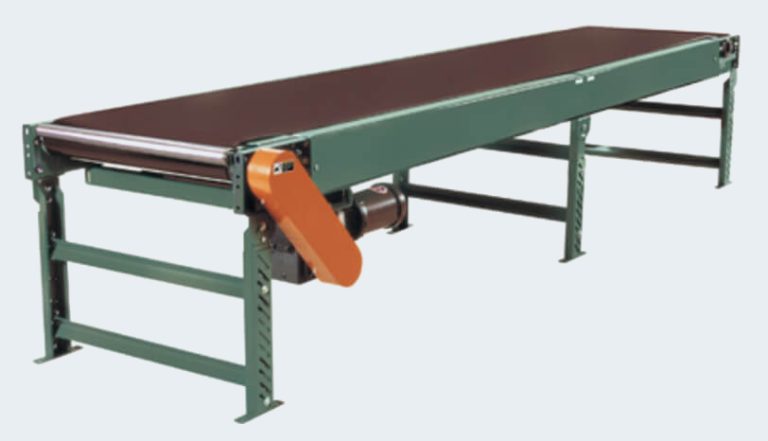
A conveyor belt operates using a continuous loop of material that moves over rollers or pulleys. A motor drives the system, allowing the belt to transport products efficiently across different areas of a facility.

What Is the Most Common Conveyor System?
  • Belt Conveyors: Using a continuous loop of material to transport packages, boxes, and containers.
  • Roller Conveyors: Ideal for heavy loads like pallets and crates, using a series of metal rollers for movement.
  • Chain Conveyors: Suitable for precise and heavy-duty applications, often used in vehicle or machinery manufacturing.
What Are the OSHA Regulations for Conveyor Systems?
  • OSHA 29 CFR 1910.212(a) and ASME B20.1 – 5.9 Guards and Guarding
  • OSHA 29 CFR 1910.147(c): The control of hazardous energy (lockout/tagout).
  • OSHA 29 CFR 1910 Subpart E and ASME B20.1 – 5.10 Headroom
What Type of Control System Does a Conveyor Use? Five Easy Steps to Choose a Conveyor
  • Size and weight of the product
  • Material of the product
  • Direction of the conveyor – incline or decline
  • Speed needed to move the product
  • If the product’s orientation will change throughout the conveying process
View More FAQs

Get the Right Conveyor System for Your Operation

Looking for a conveyor system tailored to your facility? MHT can help design and integrate a solution that improves product flow, reduces labor and supports long-term operational efficiency.

Call us:

  • Southeast US: 1-800-982-3720
  • Northeast US: 1-800-297-2143

Or contact our team to discuss your conveyor system needs.

Contact Us

"*" indicates required fields

Ac