
What is a Mezzanine and How Does it Improve Warehouse Efficiency?
As warehouse operations continue to scale to meet growing demand, the challenge of space utilization becomes more urgent. Expanding the physical footprint of a facility isn’t always feasible—or affordable. Fortunately, there’s a smarter, more cost-effective solution: mezzanine floors.
By adding a second or even third level within your existing facility, mezzanine floors offer a powerful way to increase storage capacity, improve workflow, and enhance operational efficiency—without major construction or relocation.
Let’s explore what a mezzanine floor is and how mezzanines transform warehouse performance from the ground up.
What Is a Mezzanine? Definition & Purpose
The actual term mezzanine comes from the Italian word “mezza,” which means “half” or “middle.” This perfectly describes a mezzanine’s function: it acts as an intermediate floor level built between the main floors of a building. It’s a cost-effective way to add significant square footage without the expense of building a new facility or the cost and disruption of major construction.
Mezzanines are designed to maximize the underutilized vertical space in a facility for a variety of purposes:
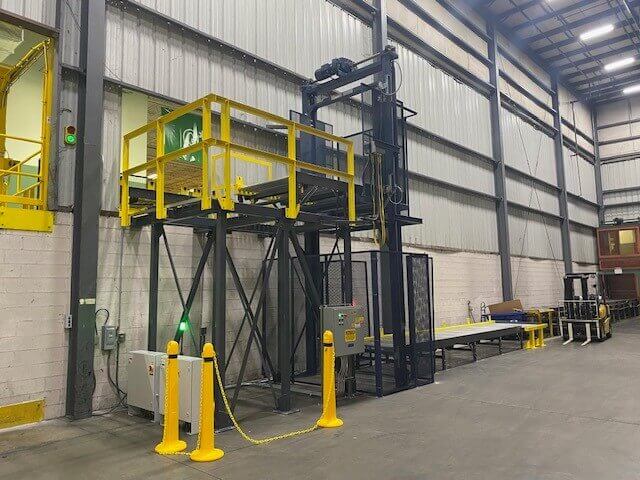
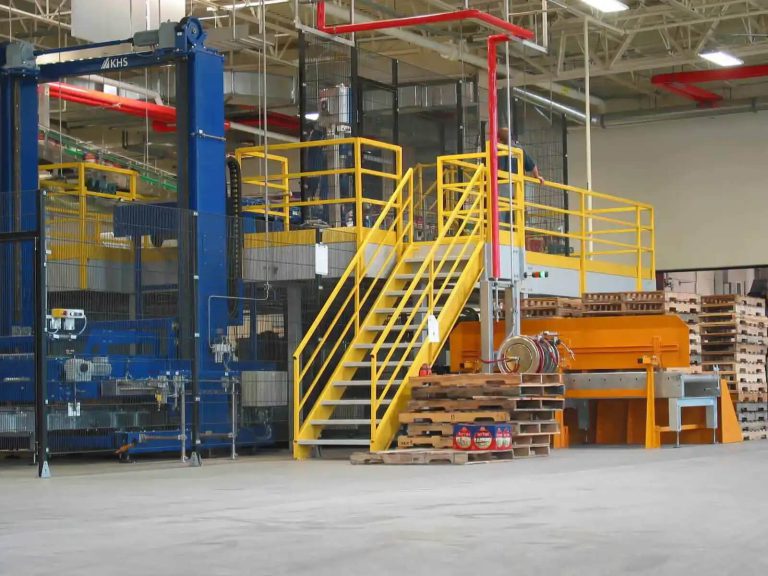
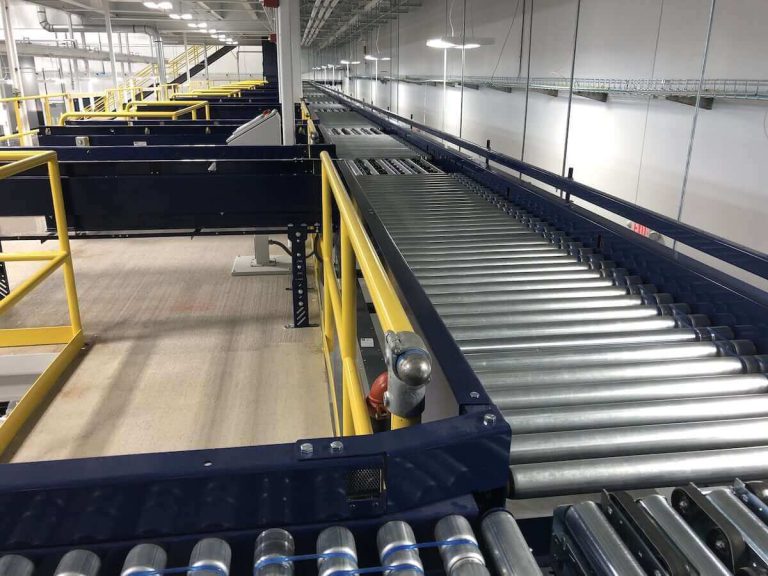
- Equipment Access: They can be used to create platforms for conveyor systems, vertical lifts, and other essential material handling equipment.
- Storage and Inventory: Mezzanine platforms are perfect for storing slow-moving inventory, bulk items, or seasonal products, freeing up valuable space on the main floor.
- Dedicated Work Platforms: They can serve as elevated work areas for order picking, assembly lines, packing stations, or quality control.
- Office Space: They are a simple solution for adding new offices, break rooms, or administrative space for employees.
What Are the Benefits of a Mezzanine Floor?
1. Increased Storage Capacity Without Expanding Footprint
The most obvious benefit? More storage space—without the high cost of building expansion or leasing additional square footage.
- A mezzanine can double or even triple your usable floor space.
- Ideal for storing slow-moving or seasonal inventory above the main work area.
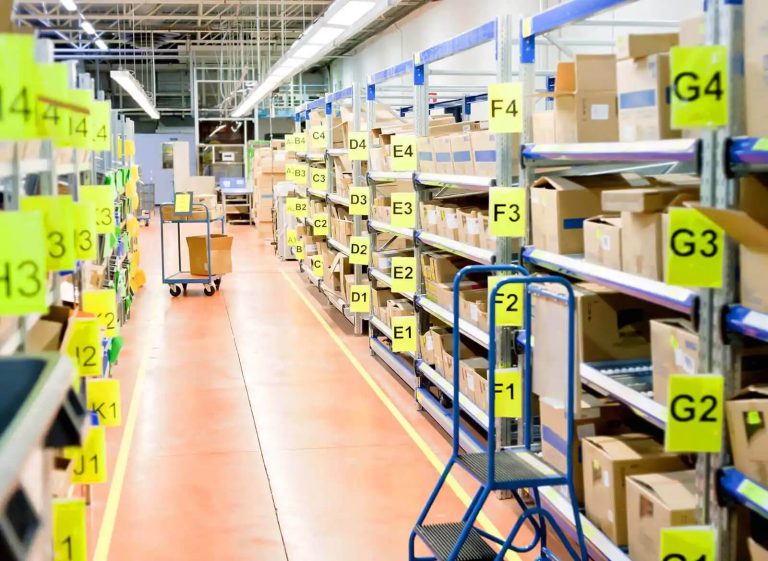
- Allows for better SKU organization, reducing clutter and optimizing inventory accessibility.
By taking advantage of unused vertical airspace, warehouses can manage higher volumes while avoiding costly real estate investments.
2. Seamless Integration with Material Handling Systems
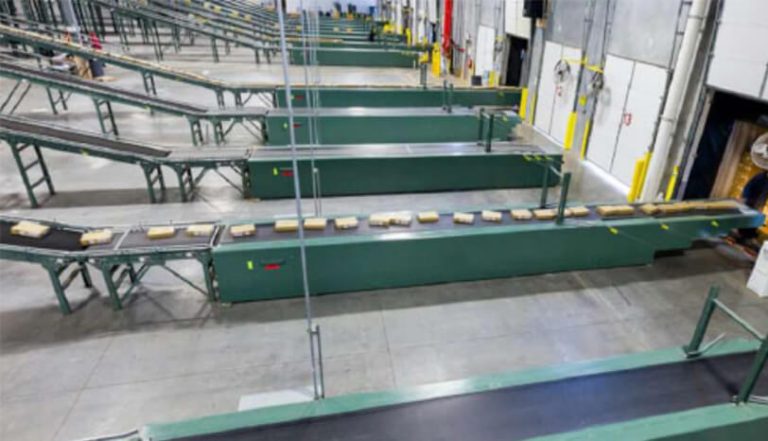
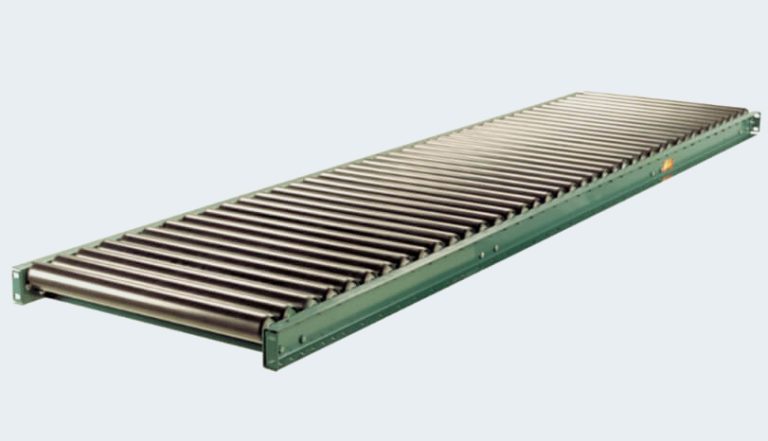
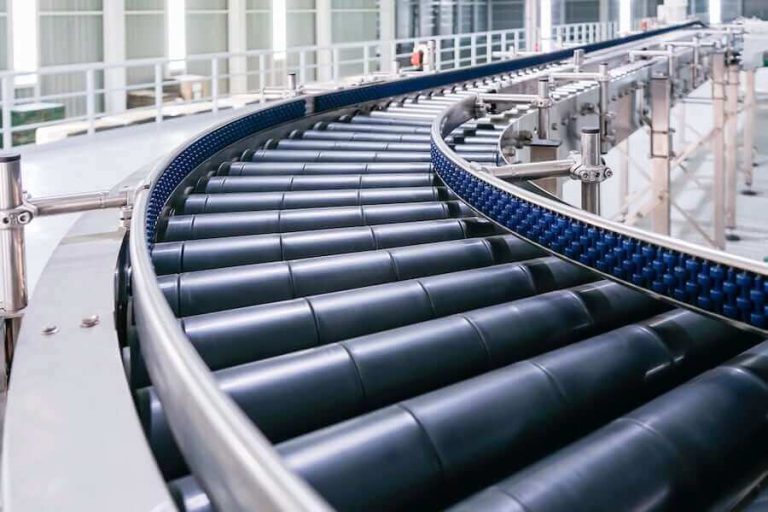
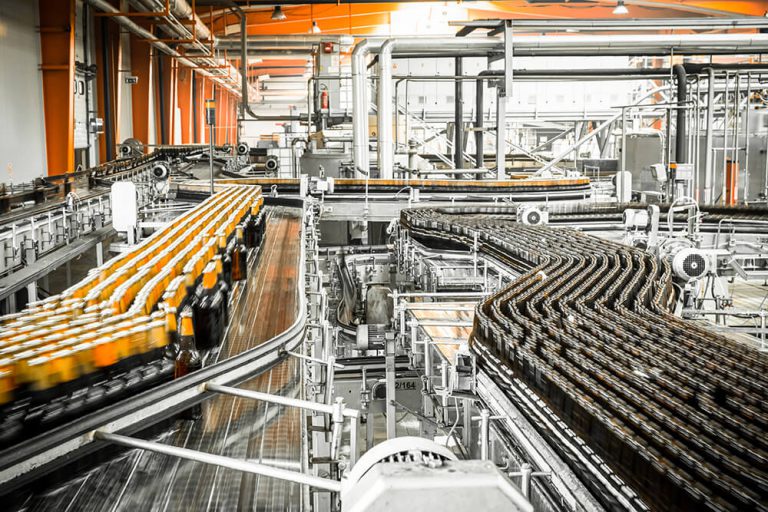
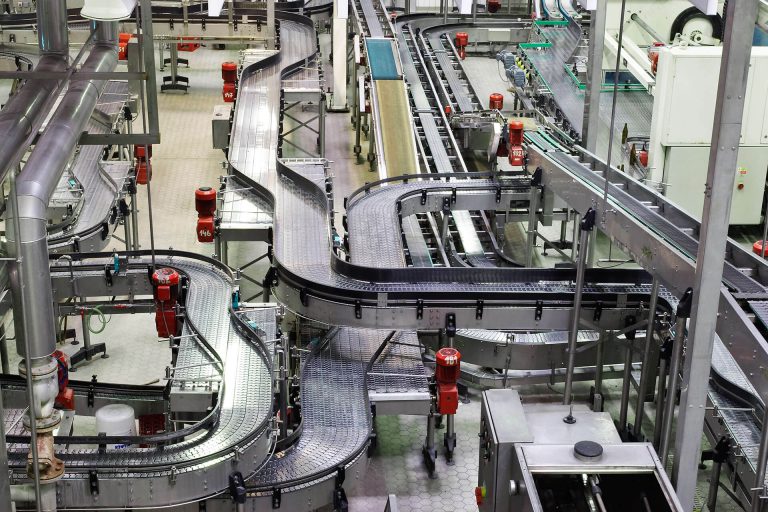
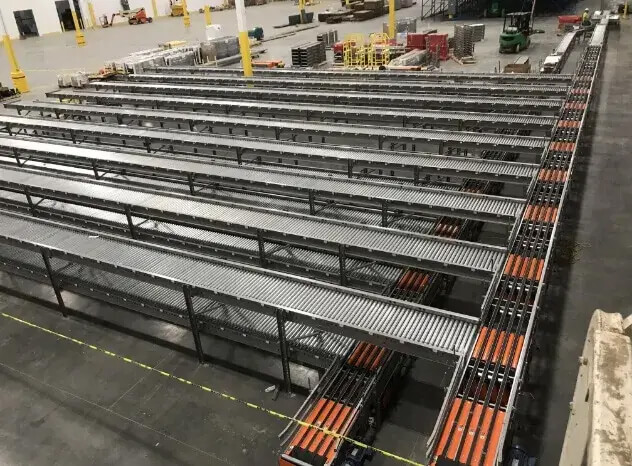
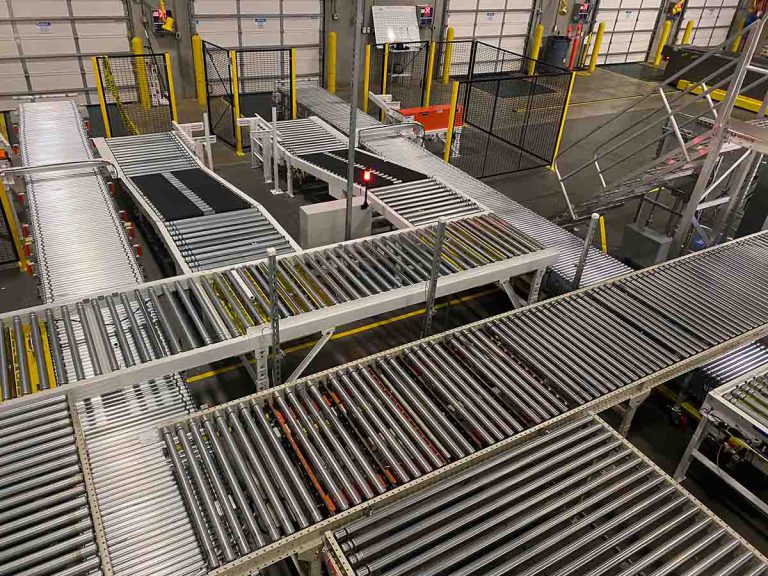
Mezzanines can be easily integrated with conveyors, lifts, chutes, and sortation systems to automate the flow of goods between levels.
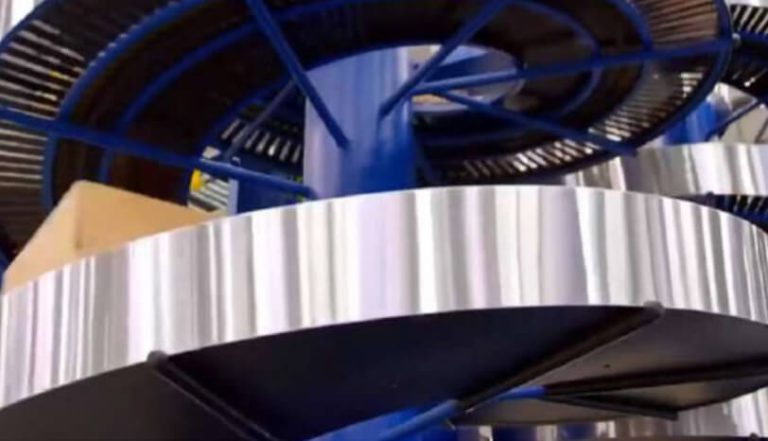
- Incline conveyors or VRCs (vertical reciprocating conveyors) move goods efficiently to and from mezzanine levels.
- Gravity chutes or slides can be used for lightweight package drops.
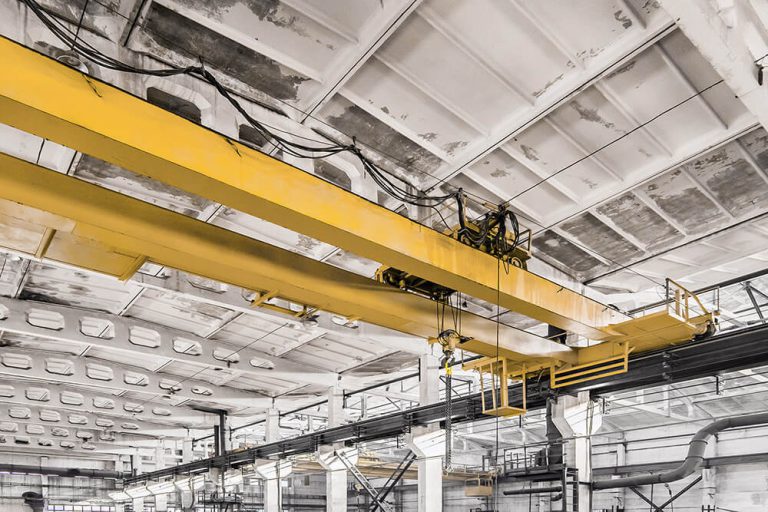
- Overhead conveyor systems free up floor space while maintaining continuous product movement.
This integration leads to faster order fulfillment, reduced labor, and a safer, more organized workspace.
3. Improved Workflow and Operational Efficiency
Beyond storage, mezzanines play a vital role in streamlining day-to-day operations.
- Create dedicated zones for specific tasks like packing, kitting, or returns processing.
- Segregate different departments (e.g., office staff upstairs, production or shipping on the ground floor).
- Reduce cross-traffic congestion on the main floor by offloading activities to a secondary level.
By assigning clear zones across multiple levels, your facility operates more smoothly, with less bottlenecks and downtime.
4. Cost-Effective and Scalable Growth
Compared to traditional construction or off-site expansion, mezzanine floors are a high-ROI investment:
- Lower capital expenditure than building new warehouse space.
- Modular designs allow for flexibility and scalability as business needs change.
- Installation can often be completed with minimal disruption to operations.
For businesses looking to scale smart, mezzanines offer a fast, flexible solution that pays off quickly.
5. Customization for Unique Warehouse Needs
Mezzanine systems are highly adaptable. They can be custom-built to fit your facility layout, ceiling height, and load requirements.
- Add features like staircases, safety rails, gates, and lighting for safe access and visibility.
- Design around existing racking systems, dock doors, or conveyor paths.
- Use for anything from bulk pallet storage to office cubicles or technical work areas.
This level of customization ensures that your mezzanine solution works with—not against—your current operation.
Types of Mezzanine Floors
Mezzanines are not a one-size-fits-all solution. These platforms are highly customizable and can be constructed in a variety of ways to suit the specific needs and load requirements of different facilities.
- Steel Mezzanines: These are the most common type of industrial mezzanine. Steel construction can provide high strength, durability, and a modular design that facilitates easy assembly inside an existing building.
- Concrete Mezzanines: These are often used for floor decking. Concrete serves as an extremely durable and stable option for heavy-duty industrial applications that require high point loads.
- Rack-Supported Mezzanines: In this design, a mezzanine floor is supported by an existing storage rack system. This approach is budget-friendly and cost-effective as it leverages existing infrastructure for support.
FAQs About Mezzanine Floors
Is a mezzanine floor expensive?
The cost of a mezzanine can vary widely based on factors such as size, load requirements, materials, and complexity. While it is typically a significant investment, it is almost always more cost-effective than relocating or building new facilities.
Do I need planning permission for a mezzanine floor?
Yes. All commercial mezzanines are subject to local building codes and fire safety regulations. You will likely need to obtain planning permission and have the project approved by a building inspector. Our team can help ensure your design is fully compliant.
Does a mezzanine need stairs?
Yes. All mezzanine floors are required to have a means of egress. This typically includes a staircase that meets all International Building Code (IBC) requirements.
Final Thoughts: Build Up, Not Out
In a world where warehouse space is at a premium, mezzanine floors provide a smart and sustainable way to increase capacity and boost efficiency without breaking the bank.
Whether you’re trying to accommodate growth, improve workflow, or optimize your material handling systems, a mezzanine could be the strategic advantage your facility needs.
Ready to Elevate Your Warehouse?
Our team specializes in designing and installing customized mezzanine solutions that align with your goals and your budget. Let us help you make the most of your space—safely and efficiently.
Contact us today for a consultation.