
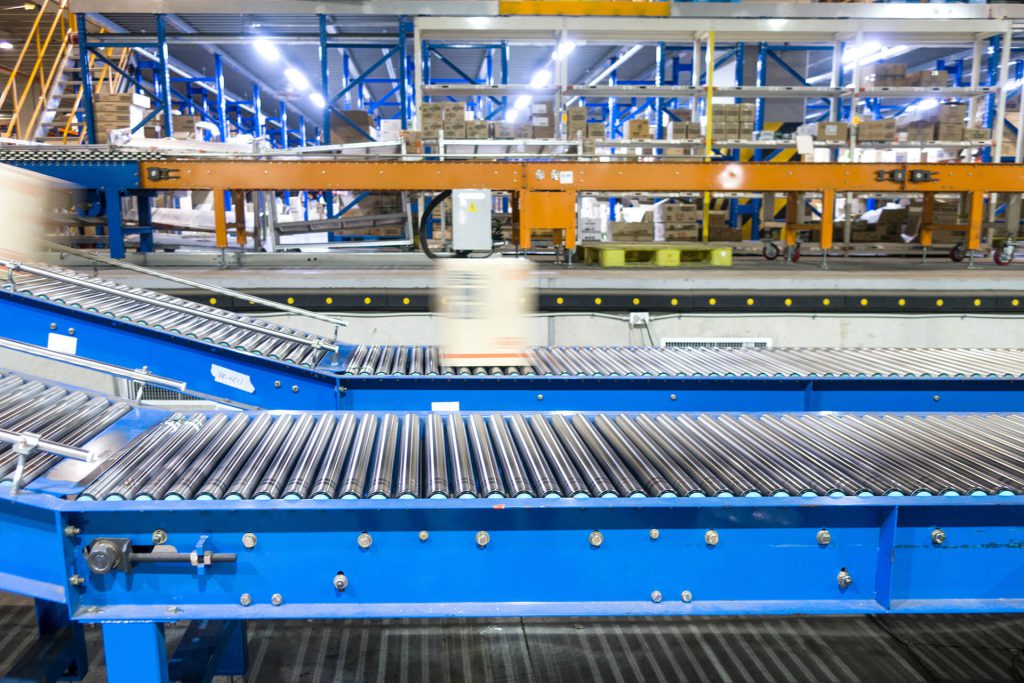
Conveyor Systems for Material Handling & Automation
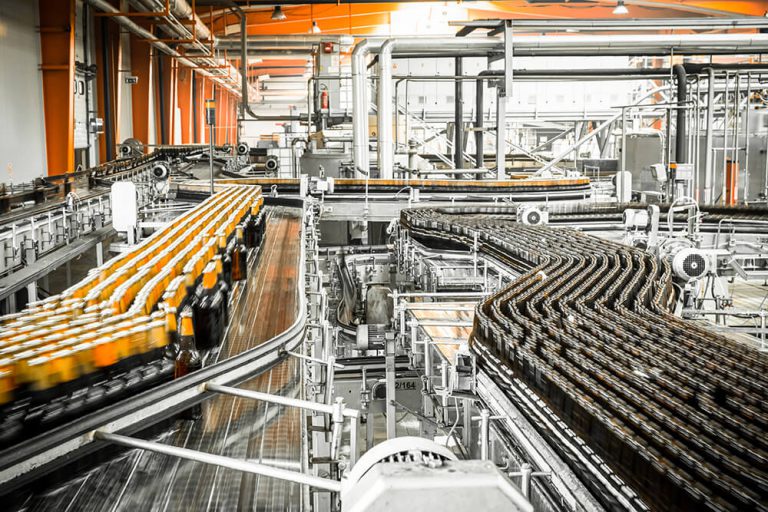
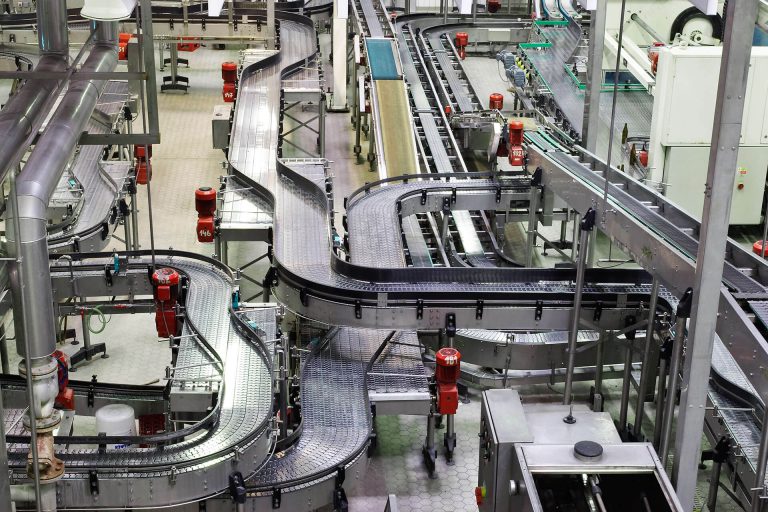
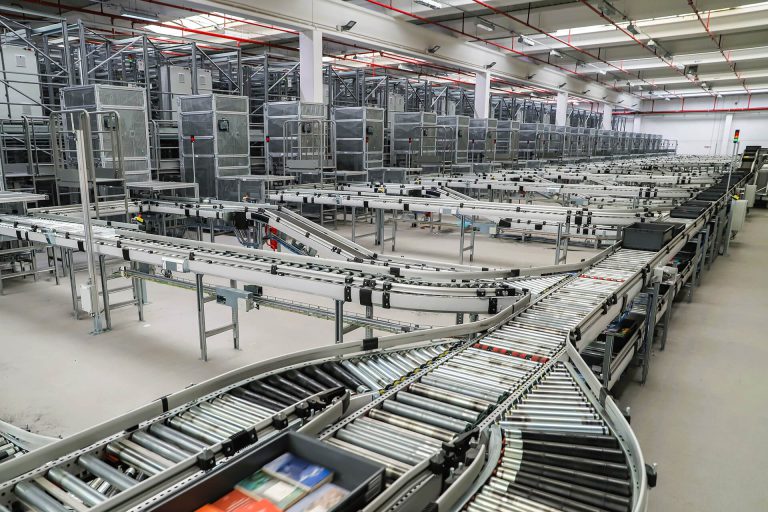
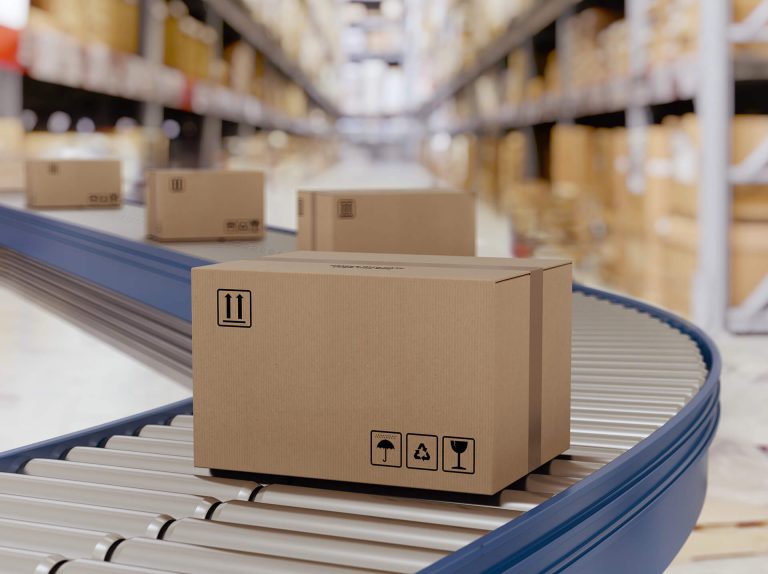
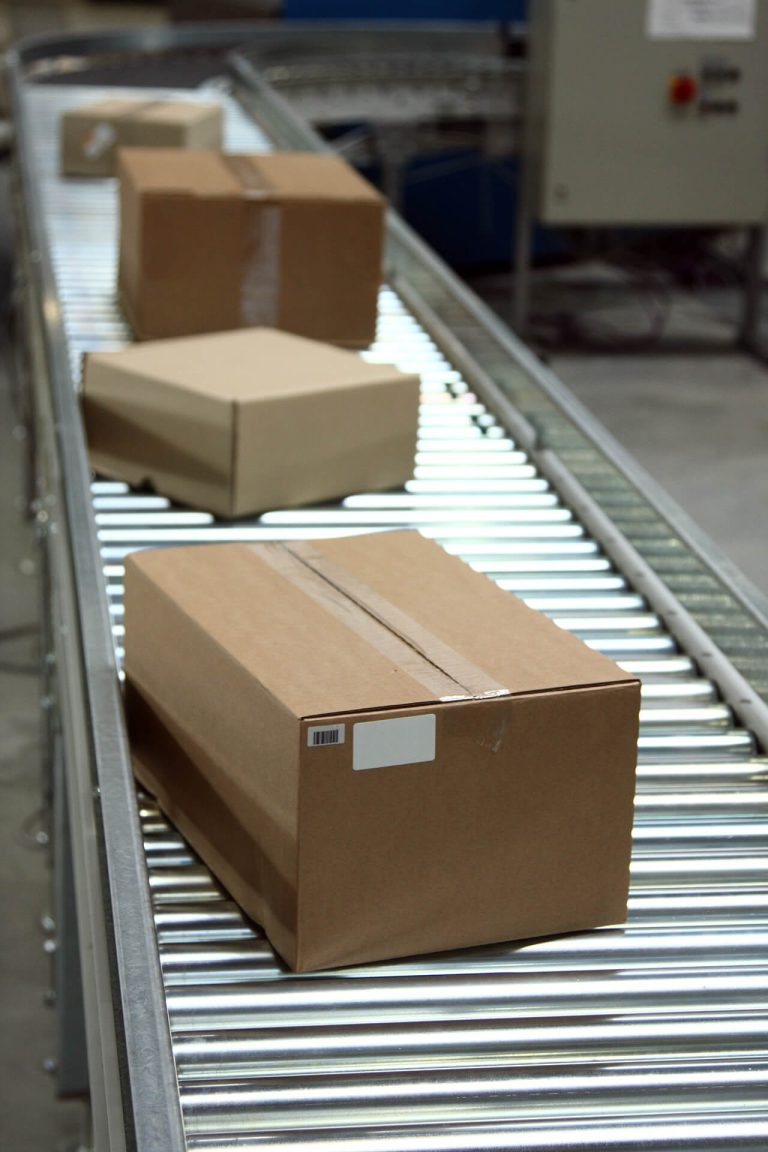
Conveyor systems play a critical role in modern material handling operations, enabling efficient movement of products, materials and goods across facilities. Whether used in manufacturing, warehousing or distribution, conveyor systems help streamline workflows, reduce manual labor and improve operational efficiency.
At Material Handling Technologies (MHT), we design and integrate a wide range of conveyor systems, including roller conveyor systems, powered conveyors, belt-driven conveyors and automated sortation systems tailored to your operation.
Types of Conveyor Systems We Offer
We provide a full range of conveyor systems designed to support different material handling needs and operational environments.
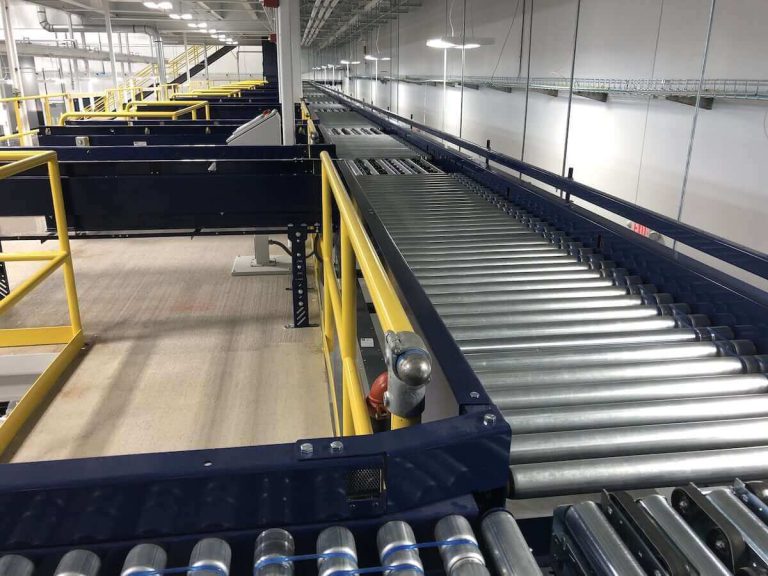
StealthZone™ Case Conveyor
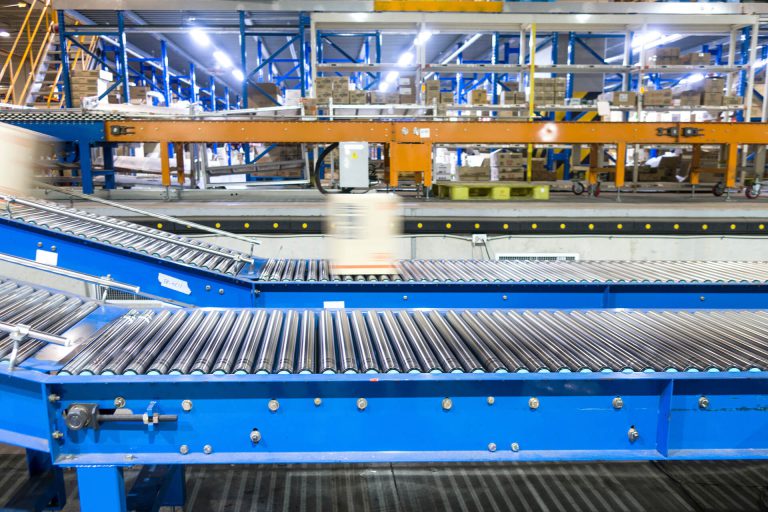
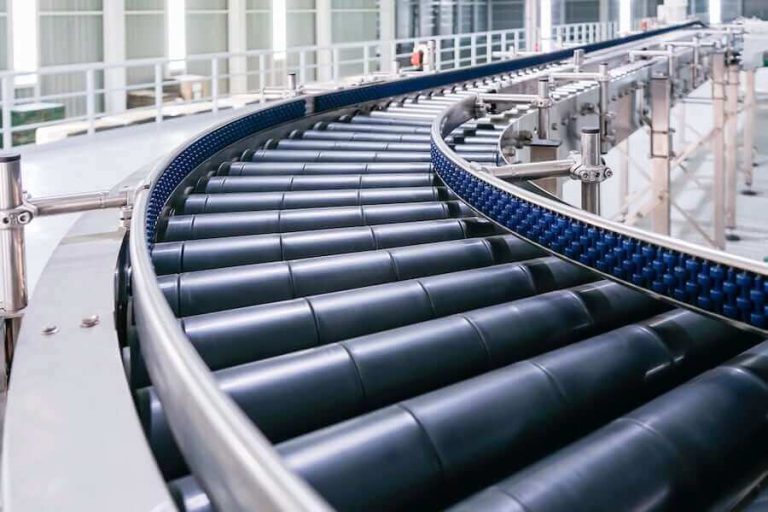
Motor-driven roller (MDR) conveyor system designed for efficient case handling and zero-pressure accumulation.
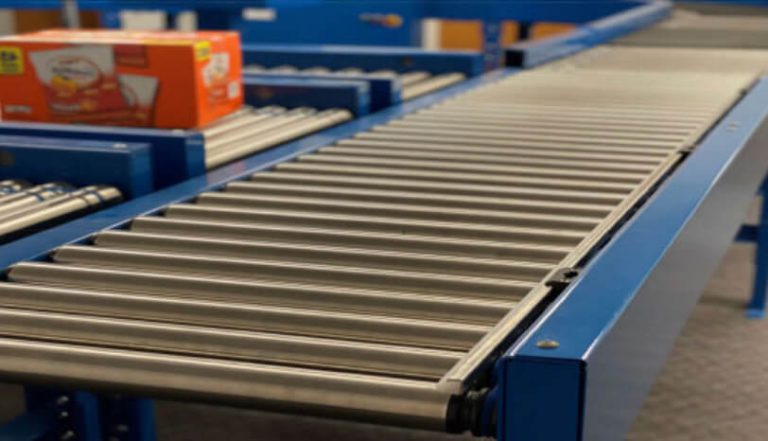
StealthZone™ Pallet Conveyor
MDR pallet conveyor system designed for efficient, zero-pressure pallet handling in automated material handling operations.
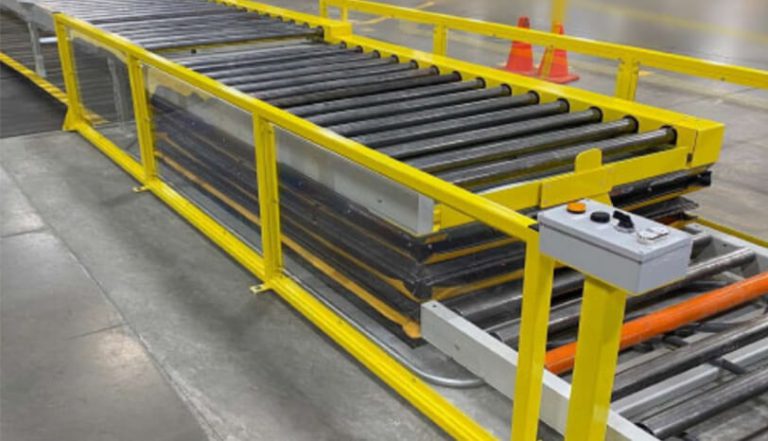
AC Powered Case Conveyor
Powered conveyor system for continuous material handling
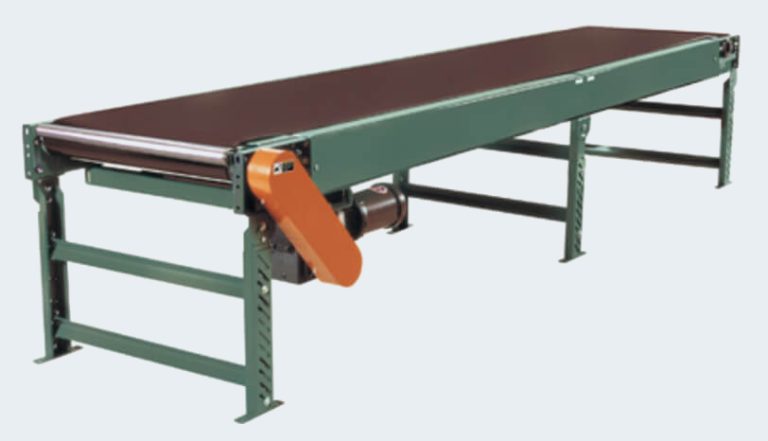
AC Powered Pallet Conveyor
Heavy-duty roller conveyor system for pallet transport
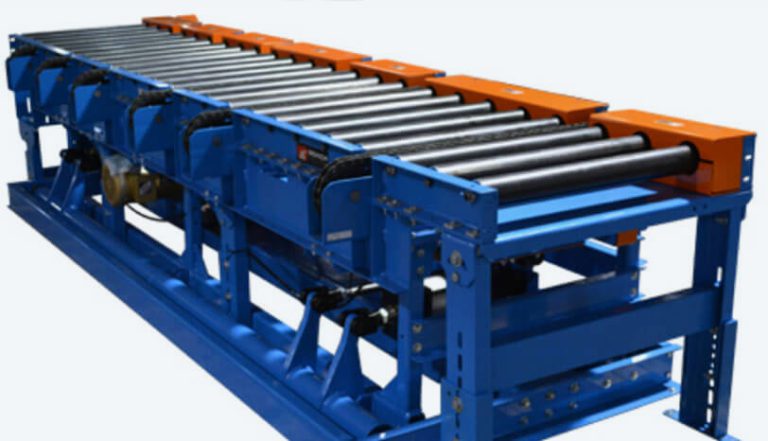
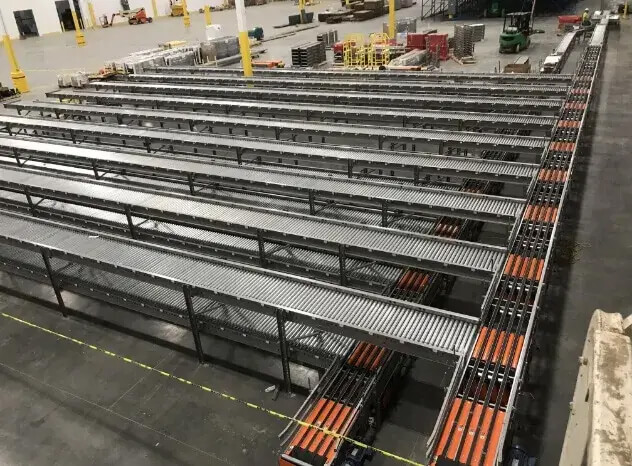
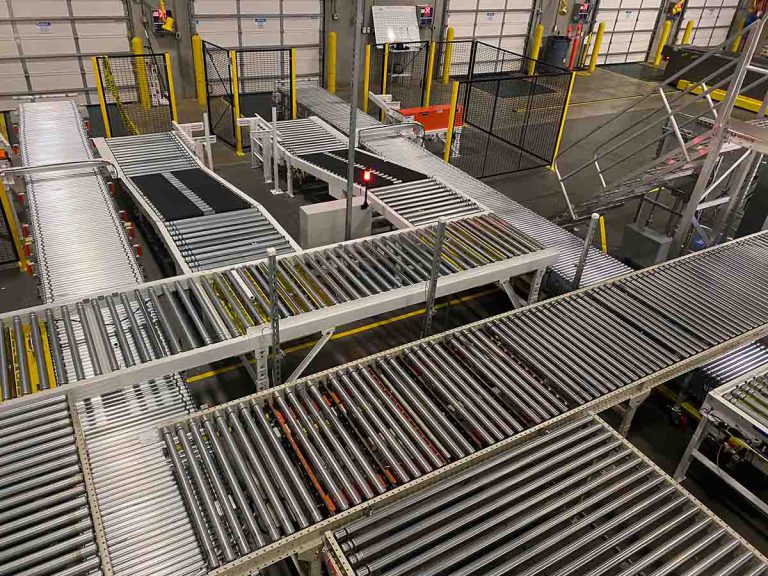
Sortation Conveyor
Automated conveyor system for distribution and routing
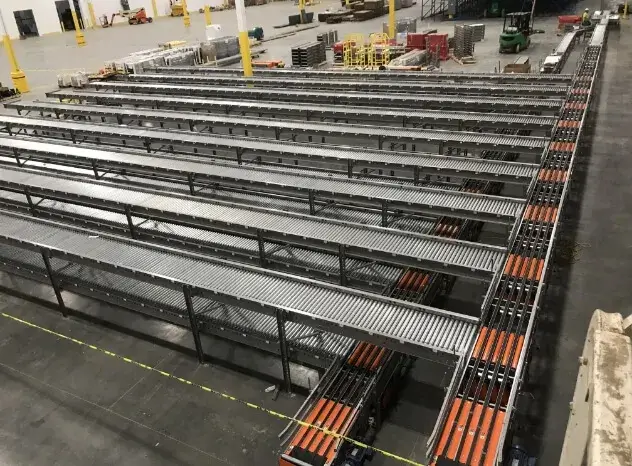
Extendables & Flexible Conveyors
Flexible conveyor system for loading/unloading
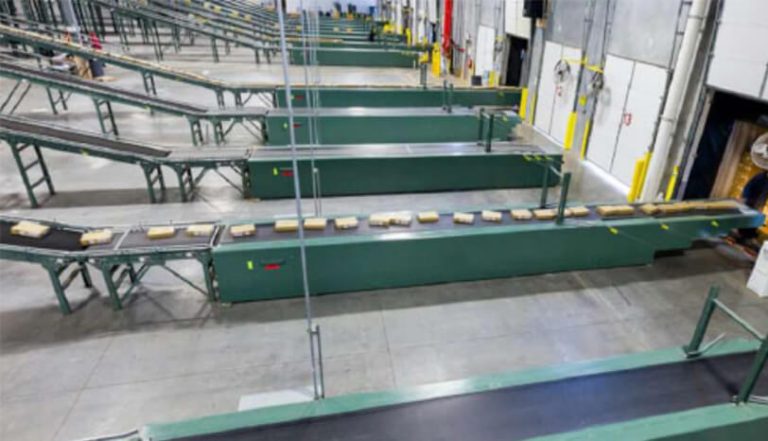
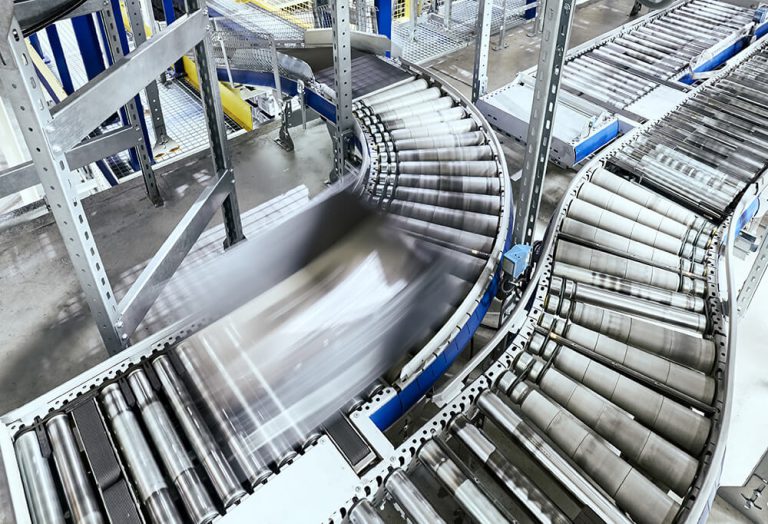
Spirals
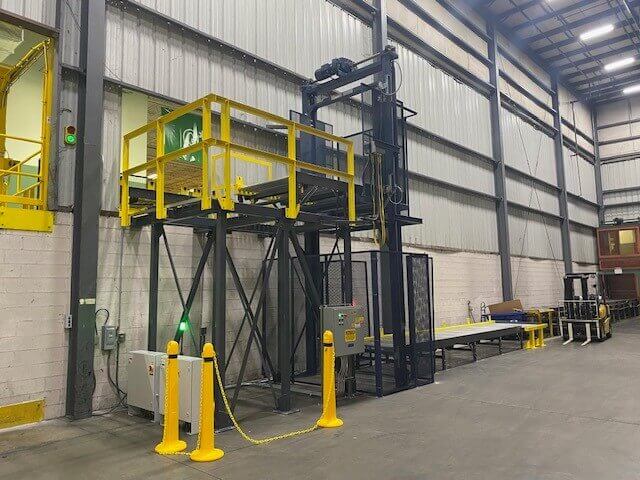
Vertical conveyor system for space-saving movement
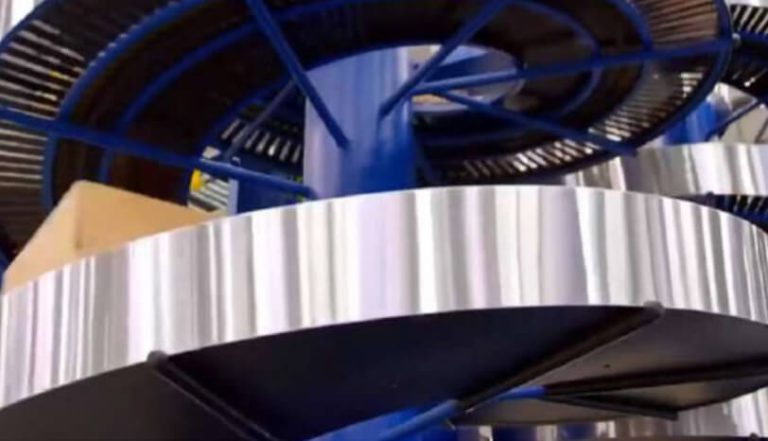
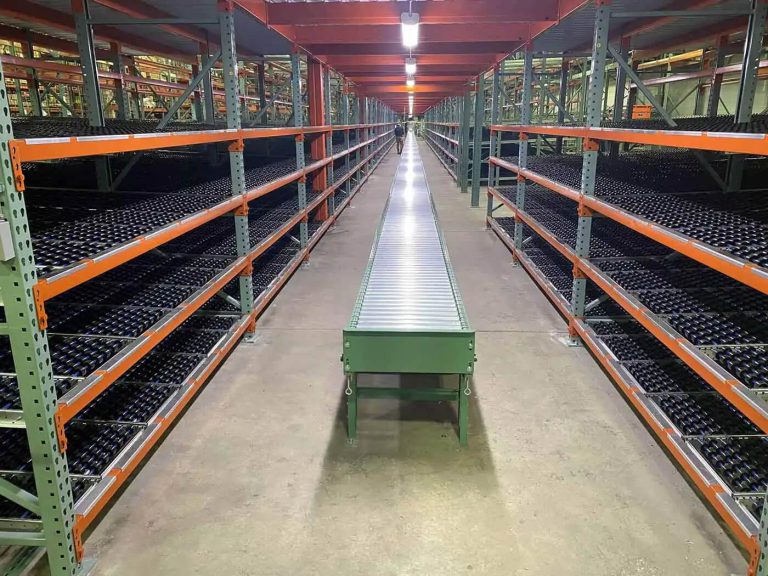
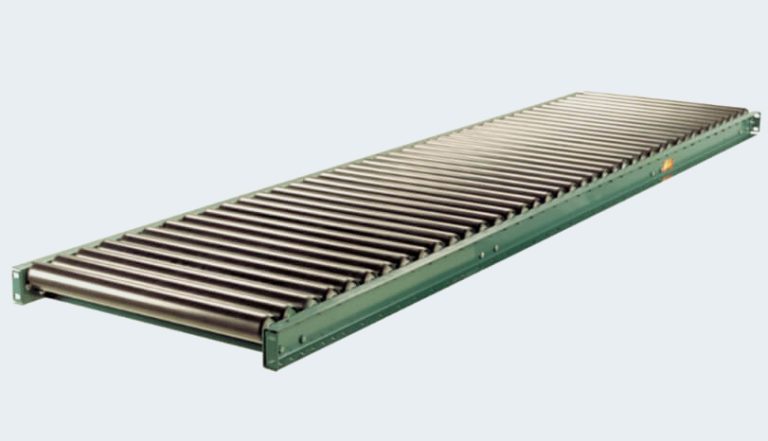
Gravity Conveyor Tile
Cost-effective non-powered conveyor system
Why Choose MHT for Conveyor Systems
With decades of experience in material handling and system integration, Material Handling Technologies (MHT) delivers customized conveyor systems designed to improve efficiency, scalability and long-term performance. Our team works closely with clients to design solutions tailored to their facility, operational goals and growth plans.
We support our clients with:
- Custom conveyor system design tailored to your operation
- Full system integration across warehouse and manufacturing environments
- Scalable solutions that grow with your business
- Installation and ongoing support for long-term reliability
- Expertise across multiple conveyor types, including roller conveyor systems, powered conveyors and automated material handling solutions