


Cranes

Contact The Material Handling Experts

"*" indicates required fields

conveyor menu image

Our Cranes

In addition to our fast track overhead crane systems, we also offer the following turn-key cranes solutions. If you have questions about our cranes or would like to request more information, contact us today.

Contact Us See All Equipment

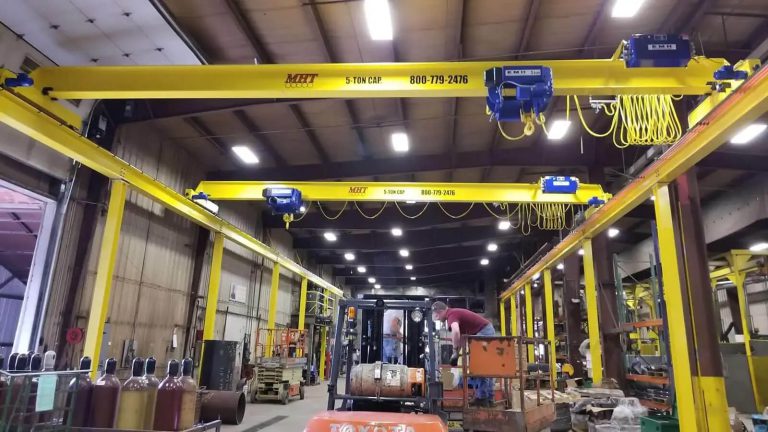
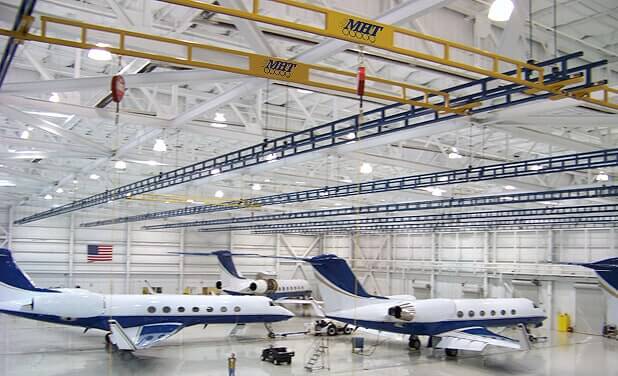
Bridge Cranes

  • Workstation under running bridge crane up to 2 ton capacity
  • Under running S-Beam, W-Beam, & patented track bridge cranes
  • Top running single girder bridge cranes up to 20 ton capacity, 90 ft. span
  • Top running double girder bridge cranes up to 300 ton capacity, 100 ft. span
  • Freestanding, column-mounted and ceiling-hung options available
  • Explosion proof and/or spark resistant bridge cranes, hoists, & winches
  • Custom bridge crane modifications, runway extensions, PE stamped structural upgrades, anti-collision systems, conversion from pendant to radio controls & below hook lifting devices

Monorail Cranes

  • Workstation, enclosed track monorail cranes up to 2 ton capacity
  • S-beam, W-beam and patented track monorail cranes up to 20 ton capacity
  • Custom solutions for curves and track switches to reach pick points not in a straight line
  • Explosion proof and/or spark resistant features for monorail cranes and hoist

Jib Cranes

  • Ceiling or wall-mounted articulating jib cranes to maximize space utilization up to 5-ton capacities and varying spans up to 30 ft.
  • Workstation, freestanding and mast-style jib cranes for up to 15 ton capacities and 360-degree rotation
  • Foundationless jib cranes when special foundations are unavailable
  • Manual and motorized rotation options
  • Explosion proof and/or spark resistant features for jib crane and hoist
  • Davit cranes and winches for smaller, portable applications

Gantry Cranes

  • Portable, adjustable and track mounted gantry cranes
  • Aluminum gantry cranes to reduce weight
  • Power driven gantry cranes for higher capacities
  • Gantry crane up to 15 ton capacity

Below the Hook
Lifting Devices

  • Slings and chains
  • Spreader Beams
  • Vacuum Lifters
  • Custom designed and fabricated devices to fit your specific need

Crane 
Installation/Testing

  • Complete installation of all systems
  • Inspection and load testing of systems once installed
  • Load testing with our 70,000 lbs. of certified weights or our 20,000 lb. Dynamometer
  • MHT employees complete the testing

Our Partners in Proven Excellence

acco
budgit hoists
coffing hoists
columbus mckinnon
detroit hoist
demag cranes
emh
harrington
saturn
spanco

Cranes FAQs

What is an Overhead Crane?

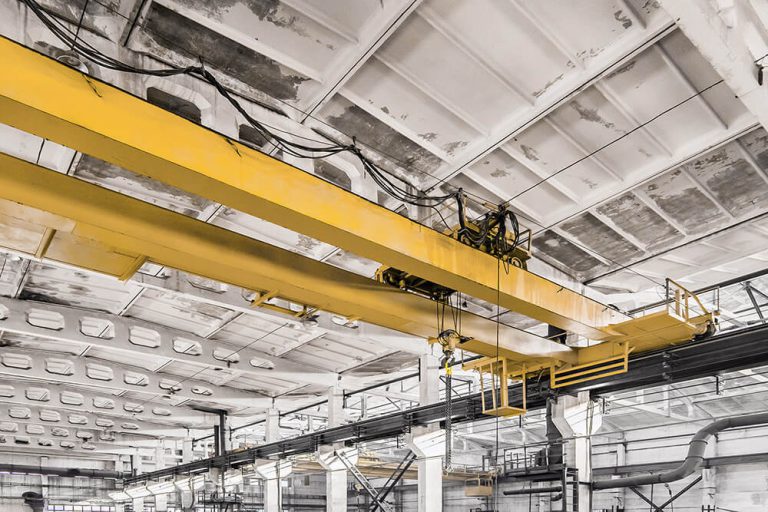
An overhead crane, also known as a bridge crane, is a machine designed to lift, lower, and move heavy or bulky loads horizontally within a facility. They are essential for manipulating and precisely moving heavy objects in a facility. They consist of a bridge, hoist, and trolley, supported by the structure they’re installed to.

How Does an Overhead Crane Work?

Overhead cranes consist of parallel runways with a traveling bridge and a hoist that moves along the bridge, allowing for efficient material handling above the floor space. Cranes may use wireless or remote controls for operation.

Are Hard Hats Required for Overhead Crane Use?

Statements by OSHA are not explicitly yes, it is strongly recommended to use hard hats to minimize injury risk in areas where overhead cranes operate. It is more likely in areas where overhead cranes are present, hardhats are already required to be worn by workers.

What Are the OSHA Requirements for Overhead Crane Operators?

OSHA requires overhead crane operators to be properly trained, qualified, and regularly requalified, with operations supervised by a competent person. Strict adherence to safety procedures, especially around electrical hazards, and ongoing compliance with OSHA standards are essential for safe crane operation.

What Is the Difference Between Overhead and Gantry Cranes?
  • 176(a): Overhead cranes are attached to the building’s structure, typically mounted on girders, and are a permanent installation. If your operations take place indoors, this is the best choice for the job.
  • 176(b): Gantry cranes have a self-supporting frame, often with legs that move on wheels or rails, allowing them to be more mobile and portable. If your operations take place both indoors and outdoors, and infrastructure supports it, these are a more flexible choice.
What Causes the Most Crane Failures?
  • 176(a): The most common causes of crane failures are rooted in a combination of mechanical fatigue, poor maintenance, design flaws, and human error.
  • 176(b): Inspections, trusted design, and frequent training help mitigate these causes
How Are Cranes Utilized in Material Handling Operations?

Cranes are used to:

  • 176(a): Lift and transport heavy or oversized materials
  • 176(b): Load and unload goods from trucks, railcars, or ships
  • 176(c): Position parts or equipment during manufacturing or assembly
  • 176(d): Support construction by moving materials vertically and horizontally
  • 176(e): Improve safety by reducing manual lifting and risk of injury
What Are the Key Components of a Crane?

Key components include:

  • 176(a): A hoist (the lifting device)
  • 176(b): A trolley or boom to move the load horizontally
  • 176(c): A structure (bridge, jib, or tower)
  • 176(d): An operator control system (manual or remote)
What Are the Advantages of Using Cranes in Material Handling?

Advantages include:

  • 176(a): High load capacity – can lift tons of material easily
  • 176(b): Improved efficiency – moves items faster and more precisely
  • 176(c): Reduced labor effort – minimizes physical strain on workers and improves safety
What Safety Considerations Apply When Using Cranes?

Cranes must be operated by trained and certified personnel. Load limits should never be exceeded. Regular inspections and maintenance are required. Clear communication (e.g., signals or radios) must be used during lifts. Proper rigging techniques must be followed to secure loads safely.

View More FAQs

Contact Us

"*" indicates required fields