Fall Protection Systems

Material Handling Technologies provides PE certified fall arrest systems, with state-of-the-art technology and plenty of customization options for your team. Safety is our first priority and we take no shortcuts.

Contact Us See All Equipment
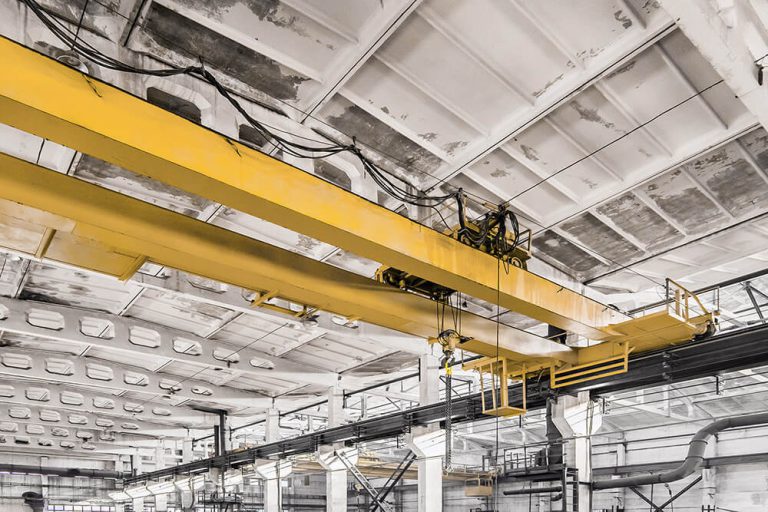
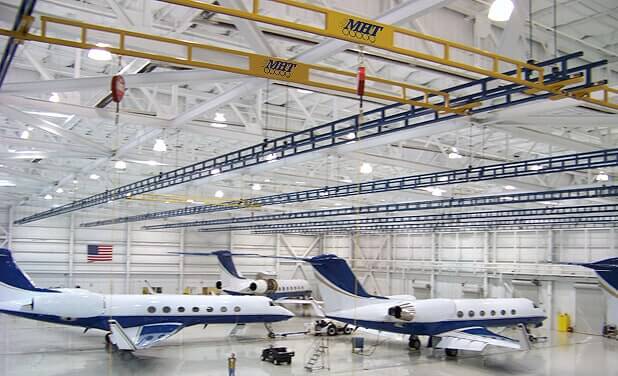
fall arrest systems in hangar
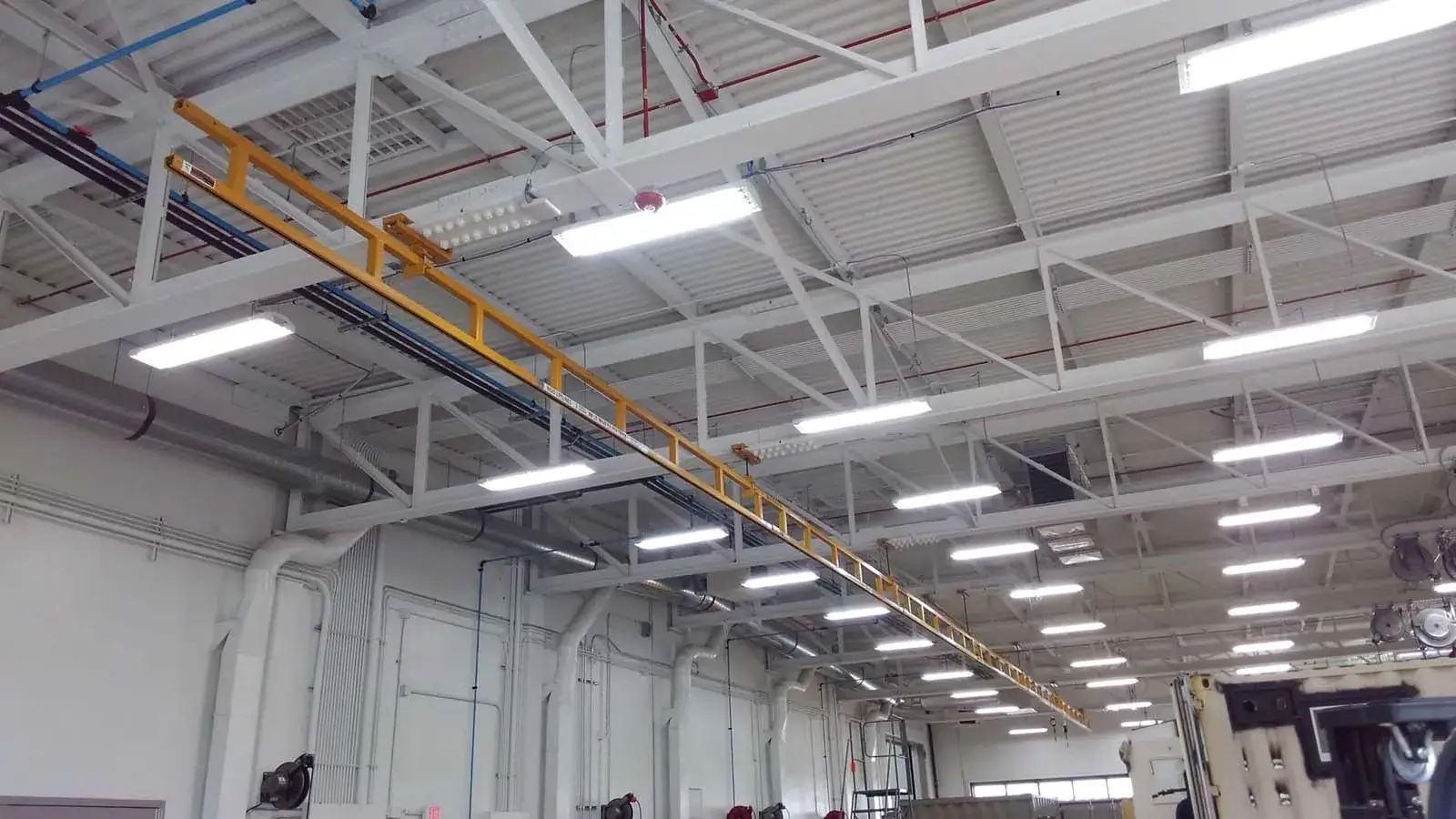
fall arrest system
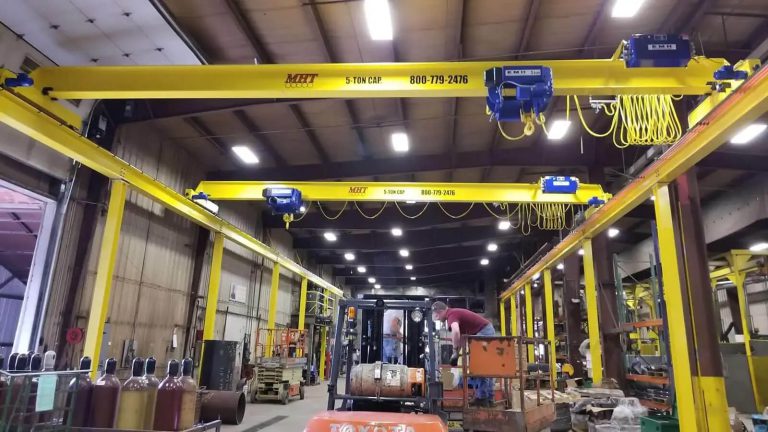
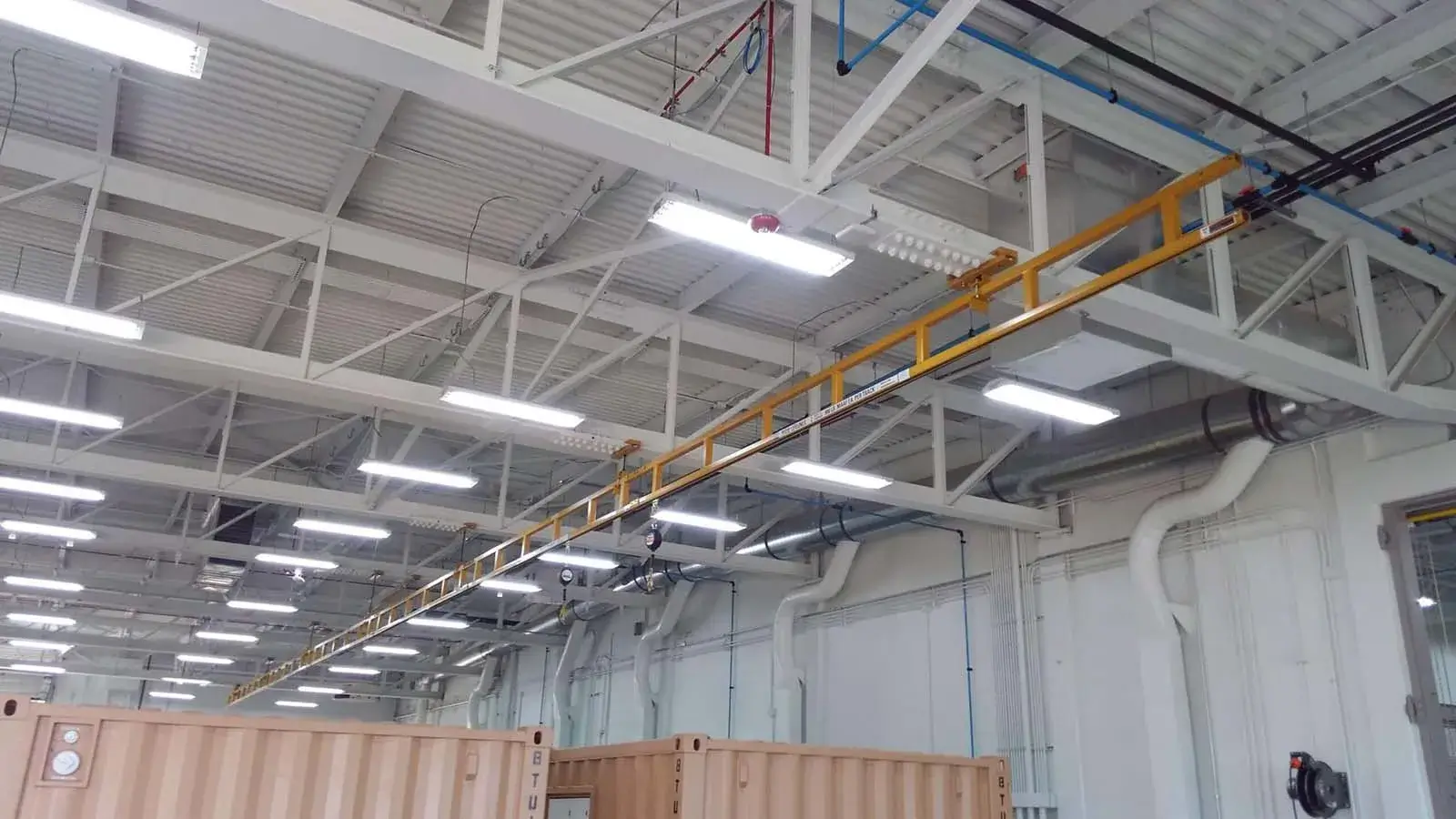
fall arrest system example
System
Accessories
Partners
  • Ceiling-Mounted Monorail
  • Traveling Bridge
  • Inverted-L
  • Inverted-U
  • T-Frame
  • Post Suspension
  • Freestanding Swing Arm
  • Column-Mounted Swing Arm
  • Fold-Away
  • Anchor Points
  • Mobile Systems
  • Cable Systems
  • Custom-designed systems to meet your site-specific needs
  • Self-Restraining Lifelines
  • Harnesses
  • Anchor Trolleys that prevent travel after fall

Fall Arrest System FAQs

What is a Fall Arrest System?

Definition and use:

  • 176(a): A fall arrest system is a safety mechanism designed to stop a person in the event of a fall from an elevated work surface. It prevents the worker from hitting the ground or a lower level by safely halting the fall.
  • 176(b): It is used when there is a risk of falling from height—such as on rooftops, scaffolding, ladders, or elevated platforms—and when fall prevention isn’t possible. It is required in many industries when working above 6 feet (general industry) or 4 feet (construction or shipyards).
How Does a Fall Arrest System Work?

A Fall Arrest system works by:

  • 176(a): Activating after a fall occurs
  • 176(b): Stopping the person’s descent quickly and safely
  • 176(c): Distributing the impact forces across the body
  • 176(d): Holding the worker in suspension until they can be rescued or self-recover
What is the OSHA Standard for Fall Arrest Systems?

Generally, fall protection systems are required when any surface is raised above 4 feet and limit free fall distance to no more than 6 feet.

Systems must limit the initial arresting force on the falling employee to not more than 2,000 pounds (8.9 kN), with a duration not exceeding 2 milliseconds and any subsequent arresting forces to not more than 1,000 pounds (4.5 kN).

If the system can stop a fall of personnel of a combined tool and body weight of 350 pounds before reaching 3.5 feet, then the system is considered OSHA compliant.

More specific guidelines can be found here.
What is the Difference Between a Fall Restraint and an Arrest System?

A fall arrest system will stop you in the process of a fall. A fall restraint system will keep you from reaching the edge, not allowing you to fall.

  • 176(a): Fall arrest systems are responsive solutions ideal in environments where greater freedom of movement is required. They are ideal when there is a large amount of space a worker needs to cover or work is needed to be done close to an edge.
  • 176(b): Fall restraint systems on the other hand are ideal for smaller raised surfaces where freedom of movement around the platform is not required. These are a more “preventive” rather than “responsive” fall solution. You can’t fall off an edge if you can never get close to it!
What are the Safety Benefits of using a Fall Arrest System?
  • 176(a): Prevents serious injury or death during a fall
  • 176(b): Reduces the force of impact on the body
  • 176(c): Complies with OSHA and ANSI safety standards
  • 176(d): Supports safe work at heights across industries
What else should be considered when using fall arrest systems?

Consider the following:

  • 176(a): Equipment must be regularly inspected and properly maintained.
  • 176(b): Workers must be trained in proper use.
  • 176(c): A rescue plan must be in place in case of a fall.
What Are The Components of a Fall Arrest System?

A fall arrest system consists of the following parts:

  • 176(a): Anchorage: A secure point where the system is attached (e.g., roof anchor, beam)
  • 176(b): Body Harness: A full-body harness worn by the worker that distributes fall forces evenly
  • 176(c): Connecting Device: A lanyard or self-retracting lifeline (SRL) that links the harness to the anchor and absorbs shock during a fall
How Long is a Fall Arrest System Good For?

There is no universal expiration date on a fall arrest system. This can be due to materials used or various inspection protocols between firms. However, a universal rule of thumb is to replace or inspect your system every 5 years. Depending on manufacturing specifications, you may have to replace them sooner or later

At What Height is a Fall Arrest System Required?

OSHA mandates fall protection for any worker at a height of 4 feet or more. However, in construction, the trigger height is 6 feet. OSHA also mandates that the system is tested to prevent a fall before 3.5 feet, otherwise the system is noncompliant even if installed at proper height requirements

What happens during a fall?

When a worker falls: The connecting device immediately engages to stop the descent. Shock absorbers reduce the force of the stop. The harness holds the worker upright and prevents injury. Then finally, the worker remains suspended until rescued or they self-rescue.

Is a fall arrest system the same as a fall prevention system?

No, Fall prevention systems stop a fall from ever happening (like guardrails or barriers). Fall arrest systems allow work near unprotected edges but stop a fall after it begins.

View More FAQs

Contact Us

"*" indicates required fields