
Lift Tables

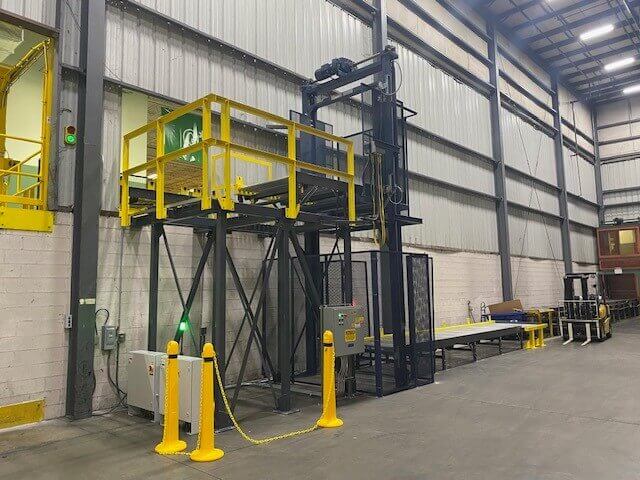
Lift tables optimize efficiency and create an adjustable, ergonomically friendly work environment. We offer a variety of standard and custom lift table solutions, including turntables, dock lifts, and more.

Explore some of our specific solutions below. If you see something of interest or want to discuss how lift tables can help your operation, please contact us and one of our qualified sales engineers will be glad to work with you.

Contact Us See All Equipment
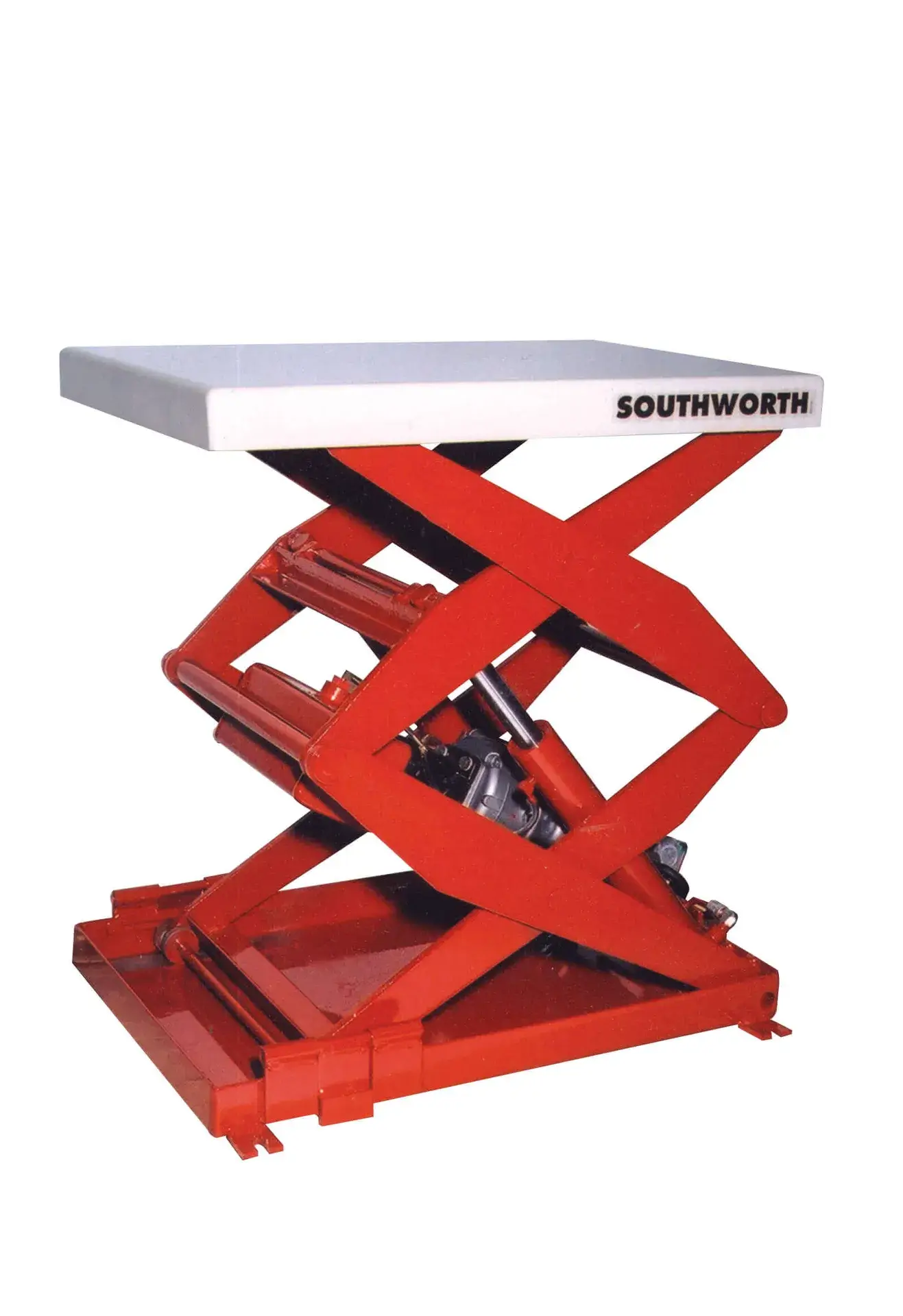
compact light table
container tilter image
lift table
lift and tilt machine example
mobile leveler image
lift table image
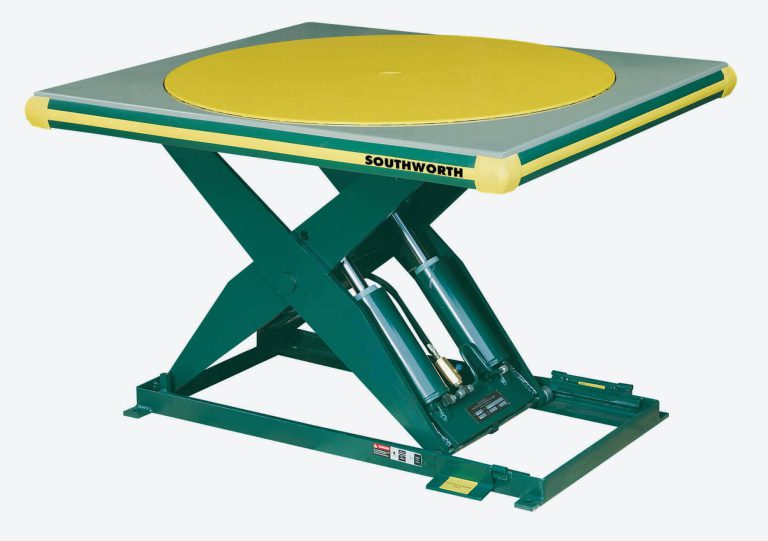
southworth green table
Products
  • Scissor Lifts
  • Turntables
  • Dock Lifts
  • Pallet Jacks
  • Pneumatic Lifts
  • Mechanical Lifts
  • Portable Lifts
  • Container Lifts
  • Pallet Stackers
  • Pallet Handlers
  • Upenders
  • Elevating Worker Platforms
  • Stainless Steel Lifts & Equipment

Lift Table FAQs

What is a Lift Table?

Lift tables are mechanical devices used to raise, lower, or position heavy materials within industrial or warehouse environments. They improve ergonomics, reduce manual lifting, and enhance workflow by providing a stable platform that can be adjusted to different heights.

What is the Alternative to Lift Tables?

Forklifts are the most prevalent alternative to lift tables. Typically lift tables can be found at truck depots to assist moving items off trailers by raising/lowering items to working heights. While some facilities it makes sense to only use a forklift due to accessible ramps or other features of the depot, some facilities may need to use both in tandem.

How Do You Use a Lift Table?

Depending on the type of lift table, you can freely raise and lower it using a hydraulic pump, battery, pneumatic system, or hand crank.

These different methods of using a lift table also correspond to the types of loads they may be used for. Hand cranks may be used for smaller loads while hydraulic or pneumatic systems are designed for loads hand cranks are not strong enough for.

How are lift tables used in material handling operations?

Lift tables are highly versatile. Common uses include:

  • 176(a): Work positioning: Adjust materials to an ergonomic height during assembly or inspection.
  • 176(b): Loading/unloading: Elevate pallets or containers for easier access at docks, conveyors, or shelving.
  • 176(c): Height bridging: Compensate for elevation differences between equipment or floors.
  • 176(d):
  • Material transfer: Move items between different levels or stations within a facility.
  • 176(e):
  • Parts handling: Tilted lift tables allow for better access to components during production or maintenance.
How Does a Lift Table Work?

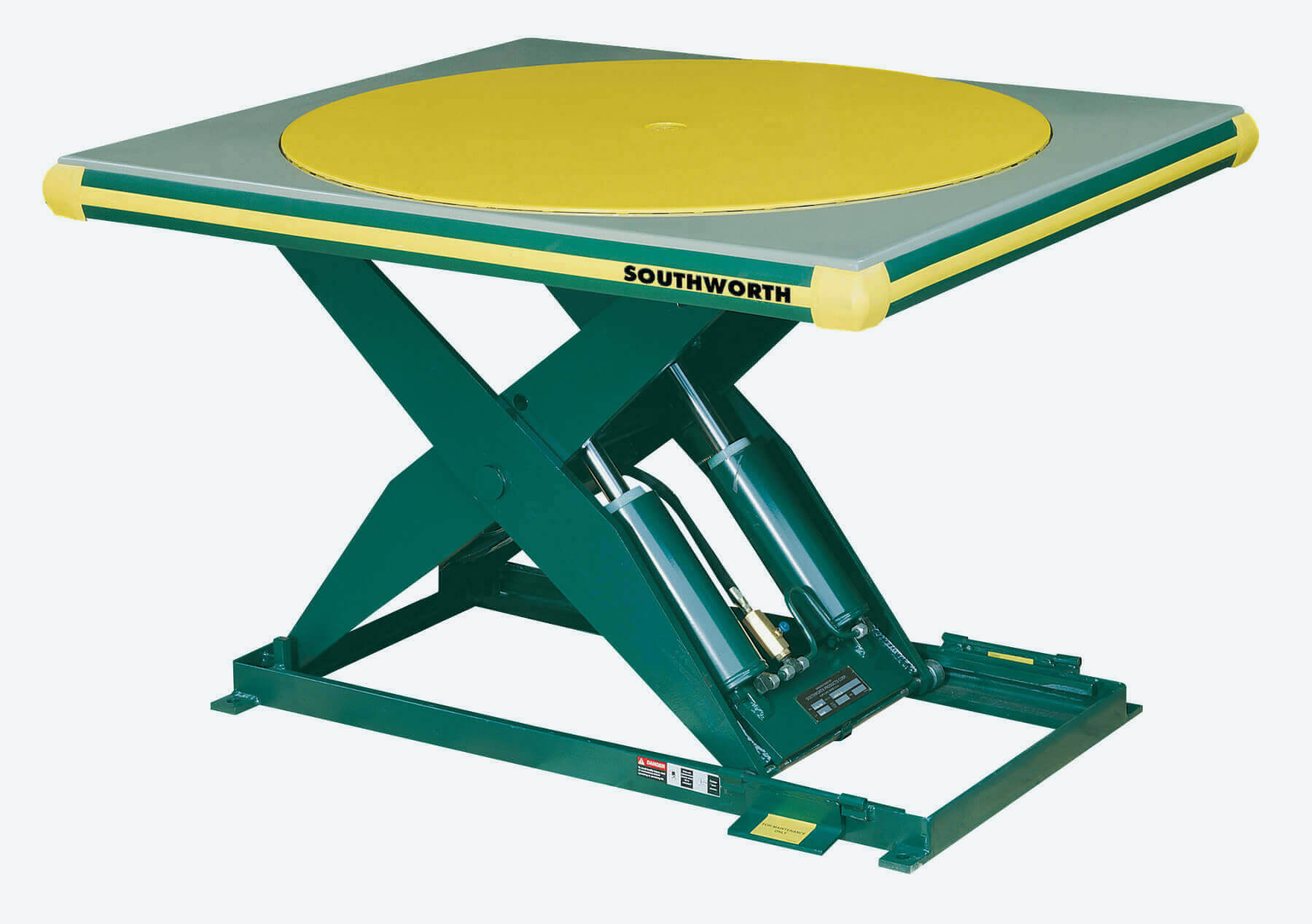
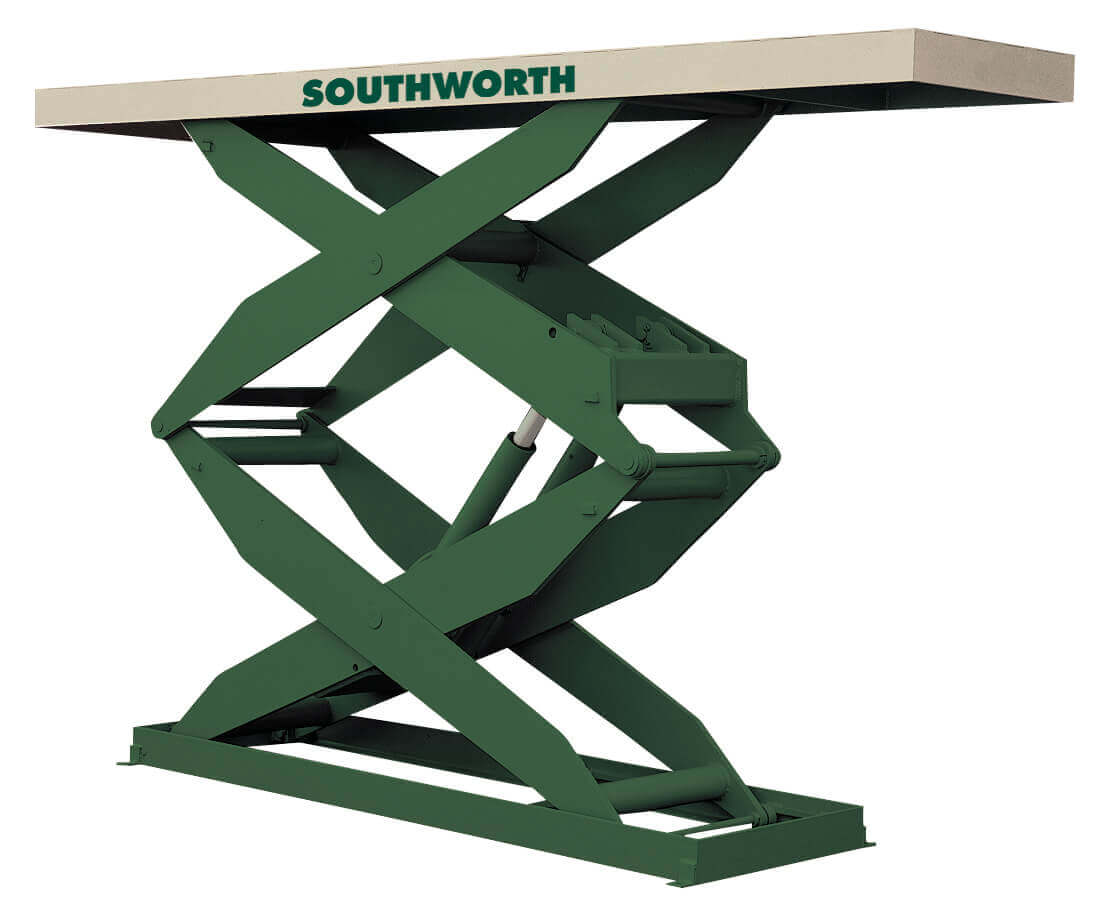
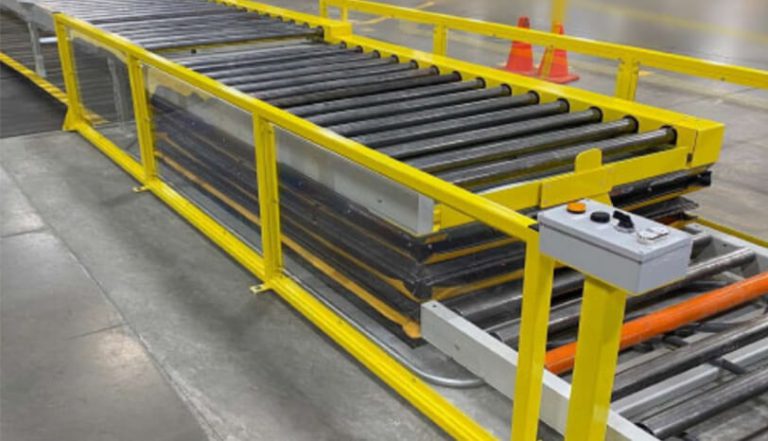
Extending or retracting scissor-like legs allows the lift table to precisely adjust its height while not compromising stability. Methods of raising and lowering may depend on the table you have. Some are battery powered, some are pneumatic, and some may even be manual with a hand crank.

What is the Purpose of a Lift Table?

Allow for the movement of heavy loads to comfortable working heights. One purpose is at truck and trailer depots allowing trailers to be loaded and unloaded easier. Key benefits can be to allow for accessibility and reduction of physical strain.

What does a lift table consist of?

Most lift tables include:

  • 176(a): A flat platform to hold the load
  • 176(b): A scissor mechanism or other lifting system
  • 176(c): A base frame and a power source (manual, hydraulic, electric, or pneumatic)
What are the benefits of using a lift table
  • 176(a): Improved safety by reducing lifting injuries
  • 176(b): Increased productivity through efficient material handling
  • 176(c): Better ergonomics for workers
  • 176(d): Customizability for specific load capacities and applications
View More FAQs

Contact Us

"*" indicates required fields